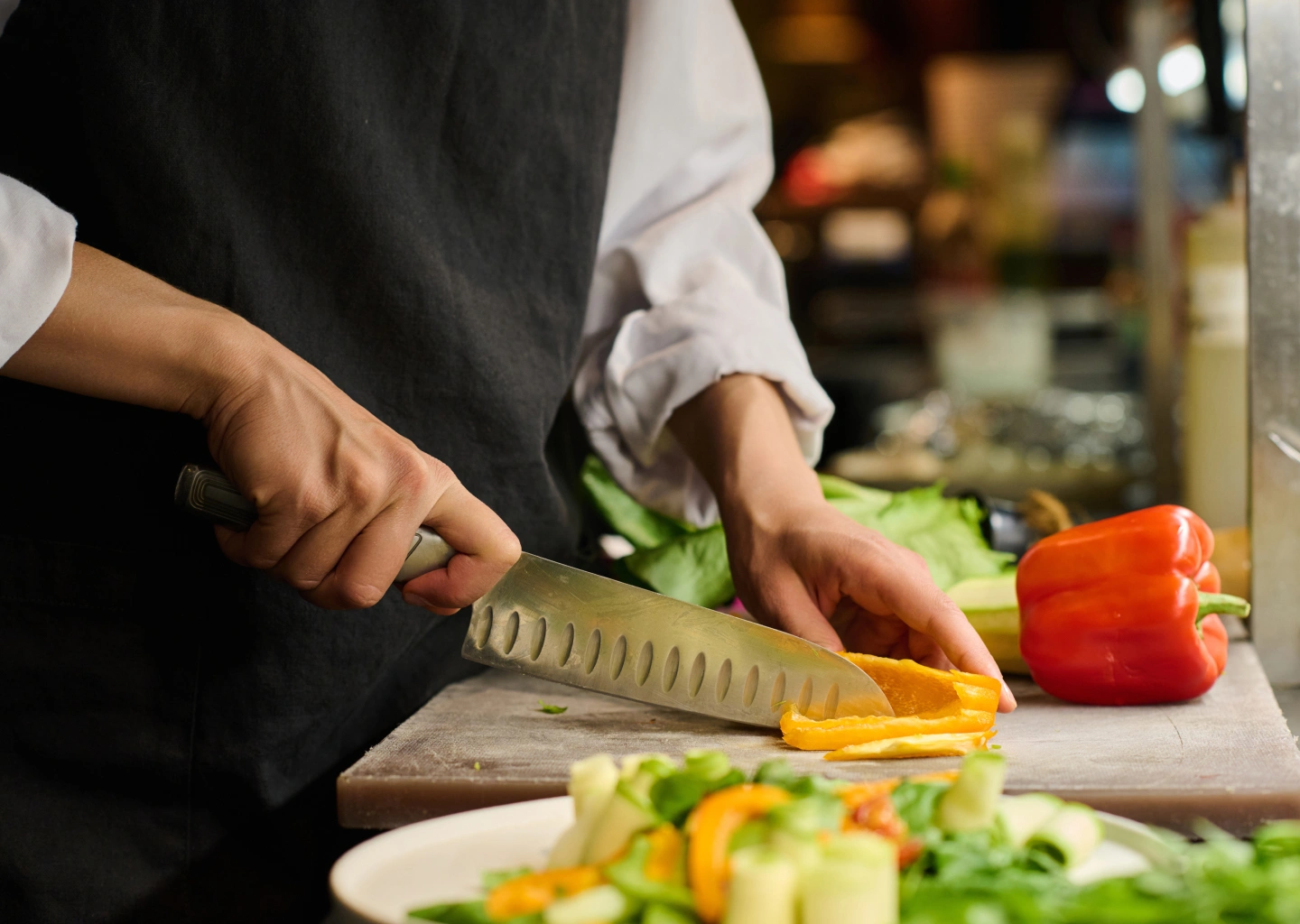
Food waste is one of the most persistent, costly, and operationally challenging issues faced by hospitality and food service businesses in Singapore. Hotels, restaurants, catering companies, institutional kitchens, and commercial food operations collectively generate very significant quantities of organic food waste every single day. From vegetable trimmings and fruit peels through to expired ingredients and plate leftovers, food waste is an unavoidable by-product of daily commercial food operations.
Traditionally, Singapore businesses have viewed food waste primarily as a costly disposal issue to be managed efficiently: collected, transported, and removed at ongoing and escalating operational expense. However, growing sustainability priorities, significantly rising waste management costs, and rapid advances in commercial biotechnology are fundamentally changing that outdated mindset.
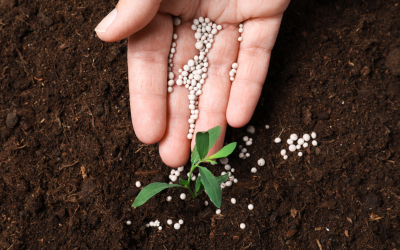
Today, a smarter, more commercially intelligent, and genuinely sustainable solution is gaining strong commercial traction across Singapore’s food service and hospitality sectors: systematically converting food waste into high-value organic fertiliser.
For commercial kitchens and hospitality businesses in Singapore, this shift from disposal to resource recovery is far more than an environmental or CSR initiative. It is a practical and proven business strategy that simultaneously supports operational efficiency, measurable sustainability performance, and meaningful long-term cost optimisation.
The Growing Food Waste Management Challenge in Singapore’s Commercial Operations
Food waste is an unavoidable and natural consequence of commercial food preparation and service operations at any scale.
Common daily food waste sources in commercial operations include:
- vegetable trimmings
- fruit waste
- expired produce
- buffet leftovers
- kitchen prep waste
- plate waste
- unused ingredients
- bakery waste
- organic beverage residues
Singapore hotels and large restaurants often generate especially high and predictable food waste volumes due to buffet operations, banqueting and event catering, room service, and high daily customer turnover.
Commercial kitchens operating at significant scale, including institutional, hospital, and corporate food service operations, face similar and equally significant food waste management challenges.
This unavoidable food waste generation creates multiple connected and escalating business concerns for Singapore operators.
Waste Disposal Costs
Frequent food waste collection and external disposal services quickly become a significant and recurring operational expense that directly affects business profitability.
For larger hospitality operations, restaurant groups, and commercial food businesses in Singapore, these disposal costs add up very quickly and represent a controllable but often unmanaged expense.
Storage and Hygiene Issues
Food waste accumulation attracts pests, generates unpleasant odours, and raises serious sanitation and hygiene concerns if not managed efficiently and in a timely manner.
Sustainability Pressure
Customers, corporate clients, investors, and wider stakeholders in Singapore increasingly expect and actively evaluate the environmental responsibility of food service and hospitality operations.
Visibly waste-heavy operational practices can significantly and negatively affect brand perception, corporate reputation, and relationship with environmentally conscious guests and clients.
Environmental Impact
Conventional food waste disposal through external collection and transportation contributes meaningfully to vehicle emissions and broader commercial waste management burdens across Singapore.
This reliance on external disposal makes measurable sustainability goals harder to achieve and authentically demonstrate to stakeholders.
Why the Traditional Food Waste Disposal Model No Longer Makes Commercial Sense
The conventional food waste management model followed by most Singapore businesses remains a simple and commercially inefficient linear process:
purchase → prepare → serve → discard
While operationally familiar and historically accepted, this linear disposal model is increasingly outdated, commercially inefficient, and strategically misaligned with modern sustainability expectations.
This traditional model continuously creates:
- unnecessary disposal dependency
- repeated transportation costs
- wasted recoverable resources
- avoidable environmental impact
Commercial food waste contains genuinely valuable biodegradable organic material and recoverable nutrients.
Discarding it entirely through incineration or disposal means permanently and wastefully losing valuable nutrients, usable organic biomass, and commercially significant resource recovery potential.
This growing recognition of avoidable value loss is why a growing number of Singapore businesses are actively embracing circular food waste recovery solutions.
Turning Commercial Food Waste into High-Value Organic Fertiliser
Commercial food waste is rich in biodegradable organic material and plant-essential nutrients.
This includes nitrogen, phosphorus, potassium, and organic carbon that can be systematically recovered and repurposed into valuable fertiliser through advanced biological processing.
Instead of becoming a recurring disposal burden and operational cost, commercial food waste can be efficiently converted into:
- organic fertiliser
- nutrient-rich soil enhancers
- reusable organic biomass
- environmentally useful by-products
This commercially valuable transformation is made practical and scalable through advanced biotech organic waste processing systems.
The fundamental concept is straightforward and compelling:
food waste input → controlled biotech biological processing → valuable organic fertiliser output
This circular approach delivers both measurable environmental value and direct commercial benefit for Singapore’s hospitality and food service businesses.
How Commercial Food Waste to Fertiliser Systems Work in Practice
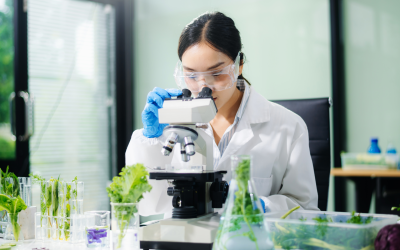
Modern commercial food waste to fertiliser systems use advanced biotechnology to dramatically accelerate natural decomposition and systematically convert organic food material into stable, commercially usable fertiliser output.
The typical commercial food waste to fertiliser conversion process includes these key stages:
Waste Collection and Segregation
Commercial food waste must first be carefully separated from non-organic contaminants that would interfere with biological processing, including:
- plastics
- packaging
- metal
- glass
Clean, segregated food waste input directly and significantly improves overall biotech processing performance and output quality.
Size Reduction and Preparation
Food waste is typically broken down into smaller particle sizes before biological processing.
This particle size reduction significantly improves biological decomposition efficiency and processing speed.
Biological Processing
Advanced biotech systems use precision microbial digestion, enzyme-based organic breakdown, or thermophilic high-temperature processing to dramatically accelerate food waste decomposition beyond passive natural rates.
This biotech acceleration significantly reduces total processing time compared with traditional composting or natural passive decomposition.
Stabilisation
The biologically processed material is then stabilised and matured into reusable, nutrient-rich fertiliser output suitable for commercial application.
Depending on the specific system design and biotech approach, this output may become certified organic fertiliser, soil conditioner, or a related commercially valuable organic resource.
The Role of Commercial Waste Management Biotech in Reducing Disposal Costs
Advanced biotechnology is fundamentally what makes modern commercial-scale food waste recovery and fertiliser production genuinely viable, efficient, and commercially attractive.
Traditional composting approaches can be prohibitively slow, excessively space-intensive, and operationally inconsistent for Singapore’s fast-paced commercial food businesses.
Commercial waste management biotech solutions dramatically improve the food waste to fertiliser conversion process across all critical performance dimensions.
Enzyme-Based Processing
Specialised commercial enzymes accelerate the biological breakdown of complex organic compounds commonly found in food waste.
These targeted enzymes efficiently help digest and convert:
- proteins
- carbohydrates
- fats
- cellulose
This enzymatic action significantly speeds up overall food waste conversion into usable organic fertiliser.
Thermophilic Digestion Advantages for Singapore Businesses
Thermophilic high-temperature biological digestion accelerates microbial food waste processing activity dramatically while simultaneously reducing or eliminating harmful pathogens.
This dual benefit of accelerated processing and pathogen reduction significantly improves the hygiene safety and commercial output quality of the produced fertiliser.
Controlled Biological Systems
Modern commercial biotech food waste systems regulate critical processing environmental conditions including temperature, moisture, and biological activity to ensure consistently efficient and commercially predictable fertiliser production.
This controlled and monitored biological environment is especially important for consistent and reliable commercial-scale food waste to fertiliser operations.
Why Singapore Hotels Benefit Significantly from Food Waste to Fertiliser Recovery
Singapore hotels generate very substantial and predictable volumes of organic food waste daily across multiple operational departments.
Primary hotel food waste sources include:
- buffet leftovers
- event catering waste
- kitchen preparation waste
- expired food inventory
- room service waste
This high-volume, predictable food waste generation creates a compelling and commercially strong business case for smarter biotech waste management and fertiliser recovery systems.
Reduced Disposal Costs
Significantly reduced reliance on frequent and costly external waste collection services directly and measurably improves hotel operational cost efficiency.
Stronger ESG Reporting
Singapore hotels and hospitality groups increasingly monitor, report, and communicate sustainability metrics to guests, investors, and international certification bodies.
Documented food waste reduction through fertiliser recovery systems directly and meaningfully strengthens hotel environmental performance scores and sustainability reporting.
Better Brand Perception
Eco-conscious travellers and corporate clients increasingly favour and actively seek out sustainable hospitality brands with genuine and verifiable environmental commitments.
Cleaner Operations
Reduced on-site food waste accumulation through more frequent biotech processing directly improves hotel kitchen hygiene, pest control, and overall operational cleanliness standards.
Why Food Waste to Fertiliser Makes Commercial Sense for Singapore Restaurants and Kitchens
Singapore restaurants and food service operators commonly work with tight and competitive profit margins.
Recurring food waste disposal costs directly and negatively affect restaurant profitability and operational efficiency.
Commercial food waste to fertiliser systems offer multiple and measurable operational benefits for Singapore restaurants and commercial kitchens.
Lower Operating Costs
Significantly reducing external disposal frequency through on-site biotech food waste processing directly lowers recurring operational expenses.
Improved Waste Control
Commercial food businesses gain greater operational visibility, measurement capability, and management control over their food waste generation patterns and volumes.
Sustainability Differentiation
Demonstrable and verifiable responsible food waste management practices create meaningful marketing, communication, and reputational advantages in Singapore’s competitive food service market.
Operational Efficiency
Smarter, technology-driven food waste handling directly improves kitchen workflow efficiency, reduces odour management requirements, and strengthens overall operational hygiene.
Singapore’s Relevance for Food Waste Innovation
Singapore’s unique commercial, physical, and regulatory environment creates exceptionally favourable conditions for commercial food waste to fertiliser recovery solutions.
High Food Service Density
Singapore’s restaurants, food courts, hotels, institutional catering operations, and commercial kitchens collectively generate very large and consistent food waste volumes creating strong commercial demand for recovery solutions.
Limited Land Availability
Traditional centralised food waste handling and disposal is not infinitely scalable given Singapore’s severe land constraints and growing commercial waste volumes.
Sustainability Focus
Singapore’s government, regulatory bodies, and business community strongly and consistently support green innovation, circular economy adoption, and measurable environmental responsibility.
ESG Expectations
Commercial organisations across Singapore increasingly and proactively align their operations with recognised sustainability standards and ESG frameworks.
Implementing food waste to fertiliser recovery systems directly and powerfully supports these national and corporate sustainability goals.
Smart Food Waste Management as a Commercial Competitive Advantage
Many Singapore businesses still view food waste management purely as a compliance obligation rather than a genuine commercial and strategic opportunity.
Forward-thinking and commercially astute organisations see it very differently and more profitably.
Proactively smart food waste to fertiliser management supports:
- operational savings
- sustainability leadership
- ESG performance
- stakeholder trust
- long-term resilience
This combination of commercial benefits creates meaningful and sustainable competitive differentiation in Singapore’s demanding hospitality and food service markets.
Comparing Traditional Food Waste Disposal vs Smart Fertiliser Recovery Systems
Traditional Organic Waste Disposal Challenges
Key challenges of traditional composting for Singapore commercial businesses include:
- recurring cost burden
- transportation dependency
- no resource recovery
- environmental emissions
- lost sustainability opportunity
Food Waste to Fertiliser System Advantages
Benefits include:
- reduced disposal costs
- resource recovery
- improved ESG performance
- operational efficiency
- circular sustainability impact
The commercial and environmental difference between these two approaches is substantial and consistently favours the biotech fertiliser recovery model for Singapore businesses.
Industries in Singapore That Benefit Most from Enzyme-Based Waste Processing
The food waste to fertiliser solution is especially commercially relevant and impactful for:
Hotels
Singapore hotels generate high and predictable food waste volumes that create exceptionally strong biotech fertiliser recovery potential.
Restaurants
Daily and consistent restaurant food waste streams create regular and compounding operational cost savings opportunities through biotech fertiliser recovery.
Catering Businesses
Event-driven catering food waste can be managed far more strategically and sustainably through fertiliser recovery than through conventional disposal.
Institutional Kitchens
Singapore schools, hospitals, government facilities, and corporate office kitchens often generate highly predictable and manageable food waste volumes well-suited to biotech recovery systems.
Food Manufacturing
Organic food manufacturing production waste becomes a directly reusable and commercially valuable fertiliser asset rather than a disposal expense.
Future Outlook
Commercial food waste to fertiliser recovery will continue expanding in scope and adoption as sustainability pressures, ESG expectations, and disposal cost increases intensify.
Key future trends in Singapore’s food waste recovery landscape include:
- onsite waste processing systems
- smarter biotech automation
- decentralised waste recovery
- stronger ESG integration
- wider circular economy adoption
Singapore businesses that move early and decisively to implement food waste to fertiliser recovery systems will gain stronger and more durable operational, financial, and reputational advantages.
Final Thoughts
Commercial food waste in Singapore is no longer simply a disposal challenge to be minimised and budgeted.
For hotels, restaurants, catering businesses, and commercial kitchens, it represents a genuine and practically achievable opportunity to improve operational efficiency, measurably reduce costs, and contribute authentically and demonstrably to sustainability goals.
With modern commercial waste management biotech systems and proven organic waste to fertiliser solutions, Singapore businesses can decisively move beyond outdated and costly linear disposal models and adopt smarter, more efficient, and commercially beneficial circular food waste strategies.
For Singapore’s food service and hospitality sectors, this approach is not just environmentally responsible—it is commercially intelligent.
The future of commercial food waste management in Singapore is not about throwing biodegradable organic material away at ongoing cost.
It is about intelligently and profitably transforming it into high-value organic fertiliser through advanced biotechnology.