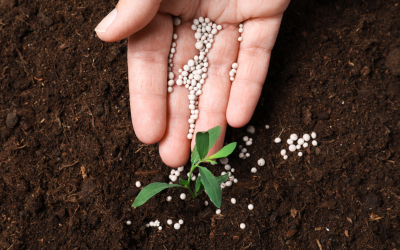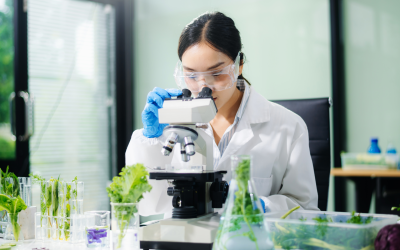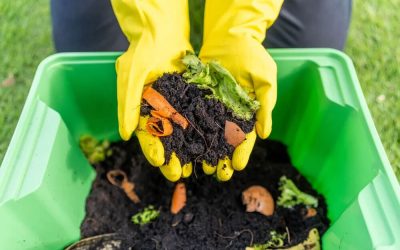
Food waste is often viewed as an unavoidable by product of modern life. Every day, households, restaurants, hotels, food manufacturers, and commercial facilities generate significant amounts of organic waste. While much of this waste has traditionally been treated as a disposal problem, advances in biotechnology and sustainable waste management are changing that perception.
Today, food waste is increasingly being recognised as a valuable resource rather than a burden. Through innovative food waste to fertiliser technologies, organic waste can be transformed into nutrient rich products that support agriculture, landscaping, and environmental sustainability. This process not only reduces waste but also contributes to a circular economy where resources are continuously reused rather than discarded.
As organisations seek more sustainable waste management practices, understanding the science behind organic waste conversion technology has become increasingly important.
Understanding Food Waste as a Resource
Food waste contains valuable organic matter and nutrients that can support plant growth and soil health.
Common sources of food waste include:
- Fruit and vegetable scraps
- Leftover food
- Food processing by products
- Agricultural waste
- Restaurant kitchen waste
- Hotel food waste
- Commercial food preparation waste
Historically, much of this material was disposed of through incineration or traditional waste management methods.
However, these approaches often result in the loss of valuable nutrients that could otherwise be recovered and reused.
Modern food waste to fertiliser solutions aim to unlock this value.
Why Food Waste Conversion Matters
The growing emphasis on sustainability has increased interest in resource recovery and circular economy practices.
Food waste conversion offers several important benefits:
Reducing Waste Disposal
Converting food waste into useful products helps reduce the volume of waste requiring disposal.
Recovering Valuable Nutrients
Organic waste contains nutrients such as nitrogen, phosphorus, and potassium that can be returned to the soil.
Supporting Sustainable Agriculture
Organic fertilisers help improve soil quality while reducing reliance on synthetic alternatives.
Advancing Circular Economy Goals
Food waste conversion ensures valuable resources remain in productive use rather than being lost through disposal.
These benefits make organic waste conversion technology a key component of modern sustainability strategies.
What Is Organic Waste Conversion Technology?
Organic waste conversion refers to the process of transforming biodegradable waste materials into useful products through biological, chemical, or thermal processes.
The goal is to recover value from waste while minimising environmental impact.
Modern organic waste conversion technology focuses on:
- Resource recovery
- Nutrient recycling
- Waste reduction
- Sustainable production
- Environmental protection
Rather than viewing waste as an endpoint, these technologies treat it as the beginning of a new resource cycle.
The Science Behind Food Waste Conversion
The conversion of food waste into fertiliser relies primarily on natural biological processes.
Organic materials are rich in carbon, nutrients, and biological compounds that can be broken down and transformed into beneficial products.
Step 1: Collection and Segregation
The process begins with collecting organic waste materials.
Proper segregation is important because contamination from non organic materials can affect processing efficiency and product quality.
Common organic waste inputs include:
- Food scraps
- Fruit peels
- Vegetable waste
- Organic by products
Clean waste streams improve overall conversion outcomes.
Step 2: Biological Decomposition
Microorganisms play a central role in organic waste conversion.
These naturally occurring organisms break down complex organic materials into simpler compounds.
During this stage:
- Organic matter decomposes
- Nutrients become more accessible
- Biological activity generates heat
- Waste volume decreases significantly
The decomposition process forms the foundation of most organic waste conversion technology systems.
Step 3: Nutrient Stabilisation
As decomposition progresses, nutrients are stabilised into forms that can support plant growth.
This stage helps create a product that can be safely and effectively applied to soil.
The resulting material contains valuable organic compounds that improve soil quality and fertility.
Step 4: Fertiliser Production
Once processing is complete, the recovered material can be transformed into organic fertiliser products.
These products may be used in:
- Agriculture
- Landscaping
- Horticulture
- Urban greening projects
- Soil restoration initiatives
This final step completes the resource recovery cycle.
The Role of Microorganisms
Microorganisms are often referred to as nature’s recyclers.
They play a critical role in breaking down organic materials and recovering nutrients.
Key benefits of microbial activity include:
- Accelerated decomposition
- Nutrient release
- Organic matter stabilisation
- Improved resource recovery
Many advanced organic waste conversion technology systems utilise carefully managed microbial environments to maximise efficiency.
By supporting natural biological processes, these technologies achieve sustainable waste transformation without relying heavily on chemical treatments.
Organic Fertiliser vs Traditional Fertiliser
One of the most significant outcomes of food waste to fertiliser systems is the production of organic fertilisers.
Organic fertilisers offer several advantages:
Improved Soil Health
Organic materials help improve soil structure and water retention.
Nutrient Recycling
Recovered nutrients are returned to productive use rather than being lost.
Sustainable Resource Use
Organic fertilisers support circular economy principles by reducing waste and promoting resource recovery.
Reduced Environmental Impact
Using recovered organic resources can help reduce dependency on synthetic fertiliser production.
This makes organic fertiliser an increasingly attractive option for sustainable agriculture and landscaping.
Supporting Singapore’s Sustainability Goals
Singapore continues to prioritise sustainability, resource efficiency, and waste reduction.
Organic waste conversion aligns closely with these objectives.
By transforming waste into valuable resources, businesses can:
- Reduce environmental impact
- Improve sustainability performance
- Support circular economy initiatives
- Contribute to national waste reduction goals
This makes food waste to fertiliser technologies an important part of Singapore’s long term sustainability strategy.
Industries Benefiting from Organic Waste Conversion
Many industries are adopting organic waste conversion solutions.
Hospitality
Hotels and restaurants generate significant food waste that can be recovered and processed.
Food Manufacturing
Food production facilities often produce organic by products suitable for resource recovery.
Commercial Buildings
Corporate facilities and mixed use developments increasingly implement sustainability focused waste management programs.
Agriculture and Landscaping
Recovered organic fertilisers support healthy plant growth and soil improvement.
The Circular Economy Connection
The concept of a circular economy focuses on keeping resources in productive use for as long as possible.
Traditional waste management follows a linear model:
Produce → Consume → Dispose
In contrast, circular systems operate as:
Produce → Consume → Recover → Reuse
Organic waste conversion technology is a perfect example of circular economy thinking.
Instead of discarding food waste, nutrients are recovered and returned to productive systems.
This reduces waste while creating environmental and economic value.
Future Innovations in Food Waste Conversion
As sustainability priorities continue to evolve, food waste conversion technologies are becoming increasingly sophisticated.
Future developments may include:
Enhanced Biotechnology
Advanced microbial systems may further improve processing efficiency.
Smart Monitoring Systems
Digital technologies can optimise waste conversion performance.
Greater Resource Recovery
Future systems may extract additional value from organic waste streams.
Wider Commercial Adoption
More organisations are expected to integrate food waste conversion into their sustainability strategies.
These innovations will continue strengthening the role of food waste to fertiliser solutions in modern waste management.
How Biomax Green Supports Organic Waste Conversion
Biomax Green is committed to advancing sustainable waste management through innovative biotechnology solutions.
By leveraging advanced organic waste conversion technology, Biomax Green helps organisations transform food waste into valuable resources while supporting environmental sustainability objectives.
Through efficient resource recovery systems, businesses can reduce waste, improve sustainability performance, and contribute to a more circular economy.
The focus is not simply on waste reduction, but on creating long term environmental value from materials that would otherwise be discarded.
Final Thoughts
Food waste is no longer simply a waste management challenge, it is a resource opportunity.
Through modern food waste to fertiliser systems, valuable nutrients can be recovered, reused, and returned to productive use. This approach supports sustainability goals while reducing environmental impact and promoting resource efficiency.
As businesses and communities continue embracing circular economy principles, organic waste conversion technology will play an increasingly important role in creating a more sustainable future.
By transforming food waste into fertiliser, organisations are not only reducing waste, they are helping build a smarter and more resource efficient world.