Waste management is undergoing a major transformation, driven by advancements in biotechnology. In Singapore, where sustainability and efficiency are critical, biotech solutions are playing a key role in reshaping how waste is processed and utilised.
From converting organic waste into fertiliser to developing advanced digestion systems, biotechnology is enabling smarter and more sustainable waste management practices.
Understanding Biotechnology in Waste Management
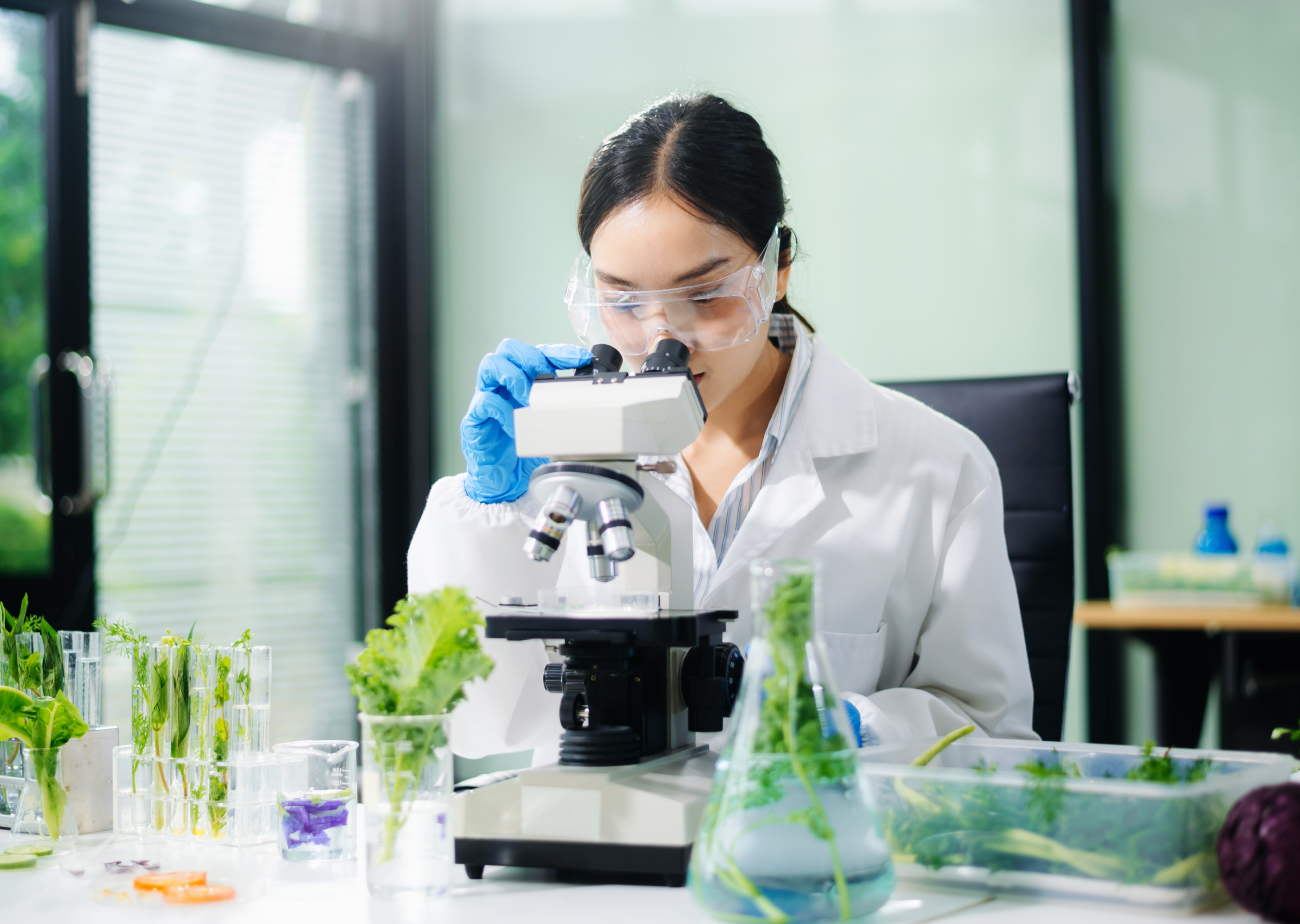
Biotechnology involves using biological systems, organisms, or derivatives to develop products and processes. In waste management, it focuses on using microorganisms, enzymes, and biological processes to break down waste efficiently.
These technologies are designed to:
- Accelerate decomposition
- Improve resource recovery
- Reduce environmental impact
Key Biotech Innovations in Waste Management
1. Microbial Decomposition Systems
Specialised microorganisms are used to break down organic waste into simpler compounds. These systems are highly efficient and can process large volumes of waste.
2. Thermophilic Digestion
High-temperature digestion processes accelerate waste breakdown and eliminate pathogens, making the output safer and more usable.
3. Enzyme-Based Processing
Enzymes are used to target specific organic materials, improving efficiency and reducing processing time.
4. Waste-to-Resource Technologies
Biotech solutions convert waste into valuable products such as fertiliser, bioenergy, and soil conditioners.
Why Biotechnology Matters for Singapore
Singapore’s waste management challenges include:
- Limited land for waste disposal
- High waste generation
- Need for sustainable solutions
Biotechnology addresses these challenges by:
- Reducing waste volume
- Converting waste into useful resources
- Supporting circular economy initiatives
It also aligns with the country’s vision of becoming a leader in sustainable and green technologies.
Benefits of Biotech-Driven Waste Management
Improved Efficiency
Biotech systems process waste faster and more effectively than traditional methods.
Environmental Sustainability
These solutions reduce pollution, greenhouse gas emissions, and reliance on landfills.
Resource Recovery
Waste is transformed into valuable products, reducing the need for raw materials.
Cost Savings
Businesses can lower waste disposal costs and generate additional revenue streams.
Applications Across Industries
Food and Beverage Sector
Biotech systems help manage food waste efficiently, reducing disposal costs and environmental impact.
Agriculture
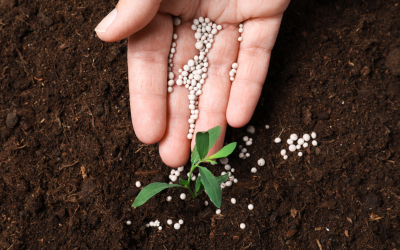
Organic waste is converted into fertiliser, supporting sustainable farming practices.
Industrial Operations
Manufacturing units can use biotech solutions to manage organic by-products effectively.
Municipal Waste Management
Cities can integrate biotech technologies into their waste management infrastructure.
Role in Circular Economy
Biotechnology plays a crucial role in promoting a circular economy, where waste is not discarded but reused and recycled. This approach:
- Reduces resource consumption
- Minimises environmental impact
- Creates new economic opportunities
Singapore’s sustainability initiatives strongly support this model.
Challenges and Opportunities
While biotech solutions offer many benefits, challenges include:
- Initial investment costs
- Need for technical expertise
- Integration with existing systems
However, ongoing innovation and government support are making these technologies more accessible.
Future Trends
The future of biotech in waste management includes:
- Integration with AI and automation
- Development of more efficient microbial strains
- Expansion of waste-to-energy technologies
- Increased adoption across industries
Singapore is well-positioned to lead in this space due to its focus on innovation and sustainability.
Conclusion
Biotechnology is revolutionising waste management by providing efficient, sustainable, and scalable solutions. In Singapore, these advancements are helping address critical challenges while supporting environmental goals.
As the world moves toward more sustainable practices, biotech-driven waste management will play a central role. Businesses and industries that adopt these solutions today will be better equipped to thrive in a future where sustainability is not just an option but a necessity.