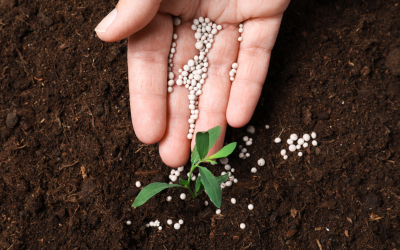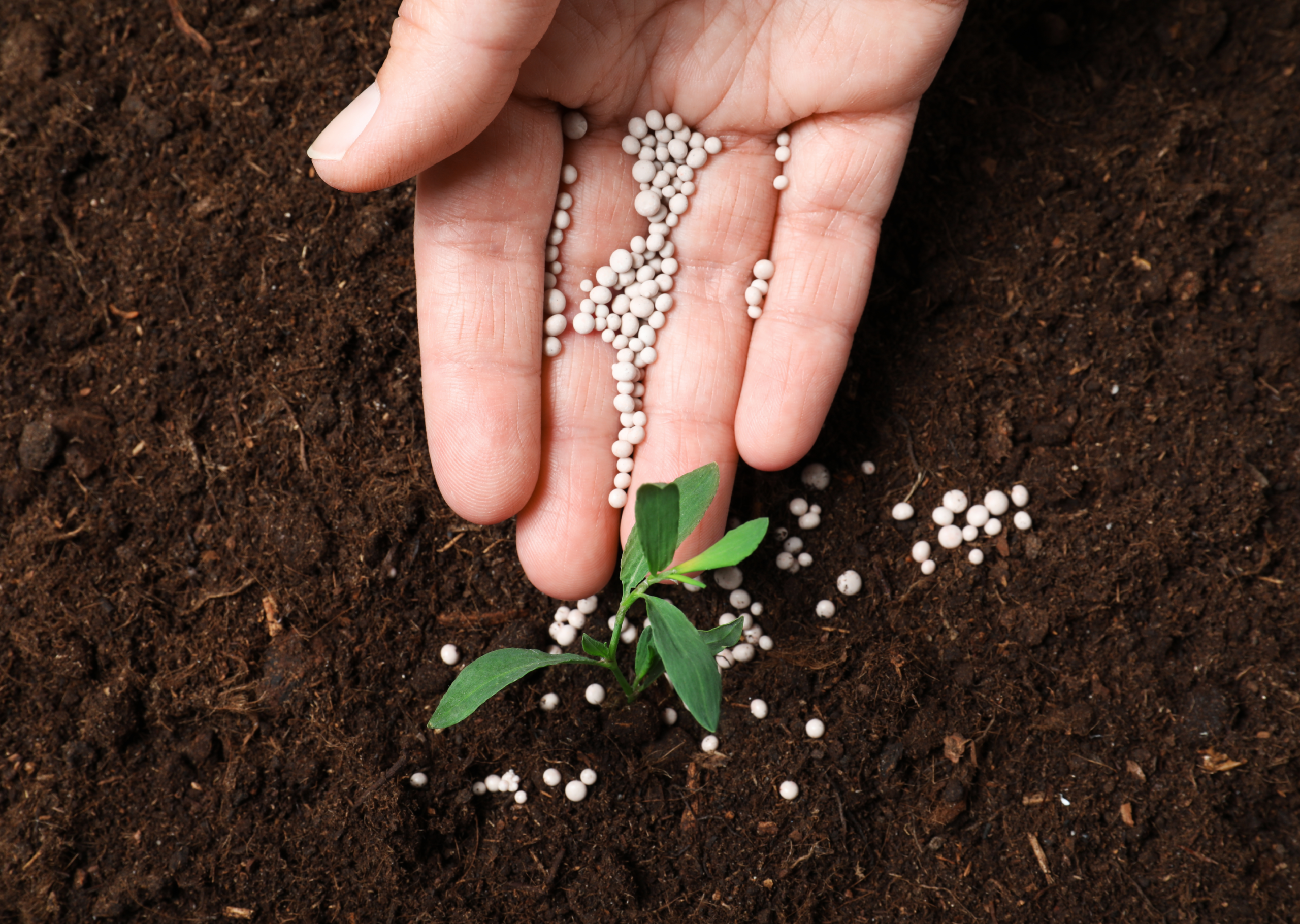
Agriculture is undergoing a significant transformation as the world shifts toward more sustainable practices. One of the key areas of change is fertiliser manufacturing. Traditional chemical fertilisers, while effective in the short term, have raised concerns about environmental impact and long-term soil health.
Sustainable fertiliser manufacturing offers a better alternative, combining efficiency with environmental responsibility. In Singapore, where sustainability is a national priority, this approach is becoming increasingly important.
What is Sustainable Fertiliser Manufacturing?
Sustainable fertiliser manufacturing focuses on producing fertilisers using environmentally friendly processes and materials. This includes:
- Using organic waste as raw material
- Reducing emissions during production
- Minimising environmental impact
The goal is to create fertilisers that support plant growth while preserving natural resources.
Limitations of Traditional Fertilisers
Chemical fertilisers have been widely used for decades, but they come with several drawbacks:
- Soil degradation over time
- Water pollution due to runoff
- High energy consumption during production
- Dependence on non-renewable resources
These challenges have led to the search for more sustainable alternatives.
Advantages of Sustainable Fertiliser Manufacturing
1. Environmental Protection
Sustainable fertilisers reduce pollution and minimise environmental impact. They support healthier ecosystems and reduce greenhouse gas emissions.
2. Improved Soil Health
Unlike chemical fertilisers, sustainable options improve soil structure and fertility over time.
3. Resource Efficiency
Using organic waste as raw material promotes recycling and reduces dependency on external resources.
4. Long-Term Productivity
Sustainable fertilisers provide long-term benefits by maintaining soil health and supporting consistent crop yields.
Role of Organic Waste in Fertiliser Production
One of the most important aspects of sustainable fertiliser manufacturing is the use of organic waste. Food waste, agricultural residues, and industrial by-products can be converted into high-quality fertiliser.
This approach:
- Reduces waste
- Supports circular economy
- Creates value from discarded materials
In Singapore, this is particularly relevant due to limited landfill space and high waste generation.
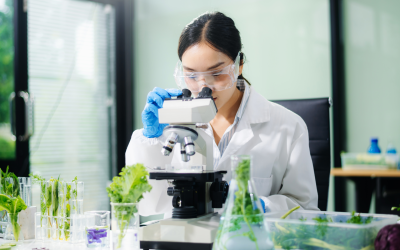
Technological Advancements
Modern fertiliser manufacturing uses advanced technologies such as:
- Thermophilic digestion
- Enzyme-based processing
- Automated production systems
These technologies improve efficiency, consistency, and scalability.
Importance for Singapore
Singapore’s agricultural sector is evolving, with a focus on:
- Urban farming
- Vertical agriculture
- Sustainable food production
Sustainable fertilisers play a crucial role in supporting these initiatives by ensuring soil quality and reducing environmental impact.
Economic Benefits
Sustainable fertiliser manufacturing offers several economic advantages:
- Reduced production costs over time
- Lower dependency on imported fertilisers
- Creation of new business opportunities
For companies, this represents both a cost-saving and revenue-generating opportunity.
Industry Applications
Agriculture
Farmers benefit from improved soil health and higher crop yields.
Landscaping
Sustainable fertilisers are widely used in parks, gardens, and urban landscaping projects.
Urban Farming
Vertical farms and hydroponic systems rely on high-quality fertilisers for optimal performance.
Challenges and Solutions
Some challenges include:
- Initial investment in technology
- Need for awareness and education
- Scaling production
However, ongoing innovation and government support are helping overcome these barriers.
Future Trends
The future of fertiliser manufacturing includes:
- Increased use of organic materials
- Integration of biotechnology
- Development of customised fertiliser solutions
- Expansion of sustainable farming practices
Singapore is expected to play a leading role in adopting these trends.
Conclusion
Sustainable fertiliser manufacturing is not just a trend — it is the future of agriculture. By combining environmental responsibility with technological innovation, it offers a practical solution to modern agricultural challenges.
For Singapore, embracing sustainable fertiliser production is essential for achieving long-term food security and environmental sustainability. Businesses and industries that adopt these practices today will be at the forefront of a more sustainable and resilient agricultural system.