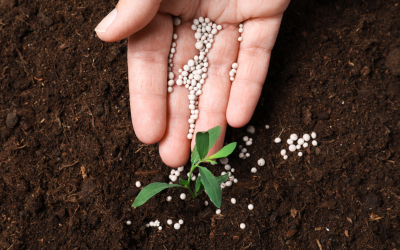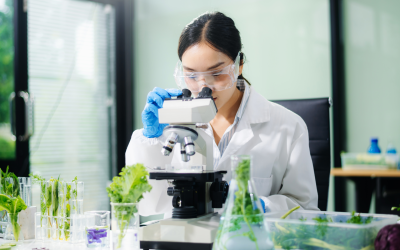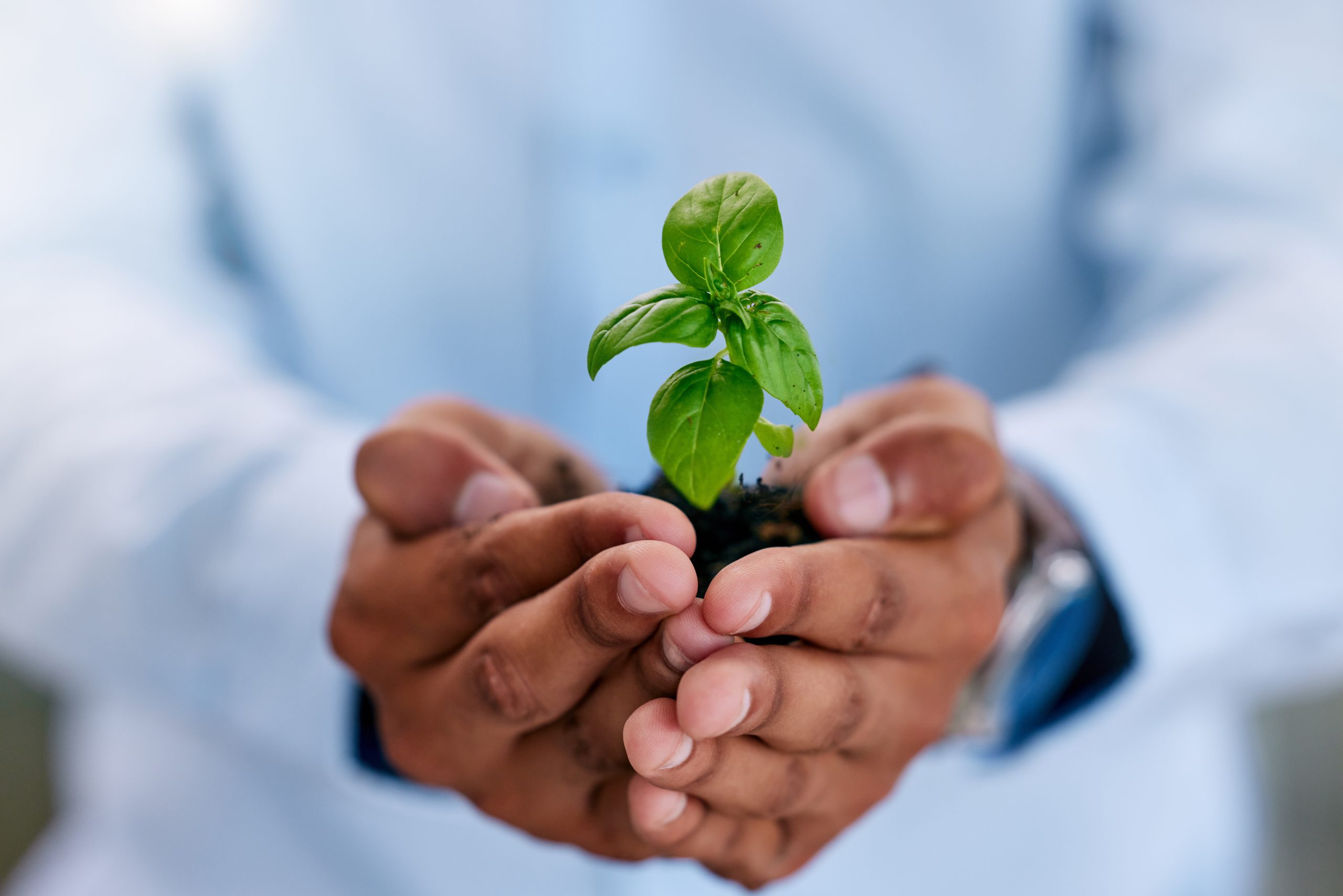
Sustainability has become a genuinely defining commercial priority for businesses across all industries in Singapore. As organisations increasingly align their operations with environmental goals, ESG commitments, and responsible procurement standards, demand for sustainable industrial solutions continues to grow across all sectors. One area receiving particularly growing and commercially significant attention is organic fertiliser manufacturing.
Traditionally, fertiliser production has been associated with resource-intensive manufacturing processes, heavy synthetic chemical dependency, and significant environmental concerns. Today, however, the industry is evolving rapidly and fundamentally. Modern biotech innovation and circular sustainability models are reshaping how commercial fertilisers are produced, making sustainable organic fertiliser manufacturing an increasingly practical, commercially relevant, and strategically important solution for Singapore businesses.
For organisations in Singapore, understanding this important industry shift is increasingly important, not just from an environmental responsibility perspective, but also from a commercial procurement, strategic sustainability, and long-term business resilience standpoint.
Why Organic Fertiliser Manufacturing Matters for Singapore’s Sustainability Agenda
Fertilisers play an essential and foundational role in agriculture, commercial landscaping, horticulture, Singapore’s urban greening agenda, and environmental restoration projects. They support healthy plant growth, long-term soil productivity, and the viability of green ecosystems across all commercial and public applications.
However, conventional synthetic fertiliser production often comes with significant and well-documented environmental concerns that are increasingly incompatible with modern sustainability expectations.
Key environmental concerns associated with conventional fertiliser production include:
- heavy energy consumption
- raw material dependency
- chemical-intensive production
- emissions impact
- long-term soil degradation risks
- inefficient resource use
As sustainability expectations and ESG scrutiny rise significantly, Singapore businesses are increasingly looking well beyond product performance alone and carefully evaluating how fertiliser products are manufactured, sourced, and what environmental footprint they carry.
This is precisely where sustainable organic fertiliser manufacturing becomes highly relevant, commercially important, and strategically valuable for Singapore businesses.
What Is Sustainable Organic Fertiliser Manufacturing?
Sustainable organic fertiliser manufacturing refers to the development and commercial production of fertiliser products through demonstrably environmentally responsible, resource-efficient, and genuinely future-focused production methods.
Rather than relying entirely on traditional resource-intensive synthetic manufacturing processes, sustainable fertiliser production systems specifically aim to reduce environmental impact, recover organic resources, and utilise biological processes while fully maintaining and improving commercial product performance.
Sustainable organic fertiliser manufacturing typically involves:
- responsible sourcing
- waste recovery integration
- biotechnology-enabled production
- efficient nutrient processing
- lower-emission manufacturing methods
- circular economy principles
The clear and commercially compelling objective is straightforward:
Produce effective fertiliser solutions without creating unnecessary environmental burden.
Why Singapore Businesses Should Care About Sustainable Fertiliser Manufacturing
Singapore’s business environment makes sustainable manufacturing particularly relevant.
ESG Expectations Are Rising
Singapore businesses are increasingly and explicitly measured on demonstrated environmental performance by investors, clients, regulators, and public stakeholders.
Procurement decisions across Singapore’s commercial landscape are increasingly and substantially influenced by ESG commitments and supply chain sustainability criteria.
Choosing to work with sustainable organic fertiliser manufacturers and suppliers directly supports stronger, more credible, and more verifiable sustainability reporting.
Green Infrastructure Is Expanding
Singapore’s government and commercial sector continue actively investing in:
- urban greening
- sustainable landscaping
- environmental innovation
- green development initiatives
This sustained investment in green infrastructure and urban greening directly increases commercial demand for environmentally responsible and sustainably produced organic fertiliser solutions.
Sustainability Is a Business Differentiator
Customers, institutional investors, and wider stakeholders increasingly and actively prefer to partner with and support organisations that can demonstrate genuine, measurable, and verifiable sustainability action in their procurement and supply chain choices.
Supply chain choices, including organic fertiliser sourcing decisions, matter significantly in building sustainable business credibility.
Circular Economy Thinking Is Growing
Singapore’s long-term sustainability direction strongly supports efficient resource use and waste reduction.
Sustainable organic fertiliser production aligns naturally, directly, and powerfully with Singapore’s circular economy and sustainability model.
The Environmental and Commercial Problems with Traditional Fertiliser Production
Conventional synthetic fertiliser manufacturing has historically focused primarily on production output efficiency and cost minimisation.
However, this narrow focus on output efficiency often involves significant environmental trade-offs that are increasingly commercially and reputationally costly.
Key environmental and sustainability challenges associated with conventional fertiliser production include:
Resource Dependency
Conventional synthetic fertiliser production systems often rely heavily on finite and increasingly scarce raw material resources including mined phosphate and nitrogen from energy-intensive processes.
Energy Intensity
Conventional fertiliser production processes can be highly energy-heavy depending on the specific manufacturing chemistry and methods employed.
Environmental Impact
Chemically intensive synthetic fertiliser manufacturing processes frequently create greenhouse gas emissions and various ecological concerns during production.
Limited Circular Resource Recovery
Many conventional systems follow a linear model:
extract → manufacture → distribute → consume
This linear production model fundamentally misses valuable and commercially significant opportunities for sustainable organic resource reuse and circular nutrient recovery.
Modern Singapore businesses and procurement managers are increasingly seeking credible and commercially viable sustainable alternatives to conventional synthetic fertiliser.
How Biotechnology Is Fundamentally Changing Organic Fertiliser Manufacturing
Advanced biotechnology is fundamentally transforming organic fertiliser production by enabling smarter, cleaner, more resource-efficient, and commercially superior solutions.
Biotech organic fertiliser solutions focus specifically on using controlled biological processes to improve both manufacturing sustainability and commercial product performance simultaneously.
Biotech-enabled sustainable fertiliser manufacturing approaches include:
- microbial nutrient conversion
- enzyme-assisted processing
- organic resource recovery
- biological waste transformation
- advanced nutrient stabilisation
Instead of depending entirely on energy-intensive synthetic industrial chemistry, advanced biotechnology introduces considerably more sustainable, resource-efficient, and environmentally responsible organic fertiliser production pathways.
Organic Waste-to-Fertiliser Innovation in Sustainable Manufacturing
One of the most commercially exciting and practically impactful developments in sustainable fertiliser manufacturing is the ability to systematically convert organic waste into high-value and commercially viable fertiliser products.
Rather than allowing commercially generated biodegradable waste to become a costly disposal burden, advanced biotech systems recover embedded nutrients and systematically convert them into commercially usable and nutrient-consistent organic fertiliser outputs.
Common organic waste sources that can be converted into valuable fertiliser through biotech manufacturing include:
- food waste
- organic industrial by-products
- plant residues
- biodegradable biomass
- agricultural organic material
This organic waste to fertiliser conversion approach creates multiple and measurable sustainability and commercial advantages.
Waste Reduction
Organic waste is productively diverted from costly and environmentally harmful traditional disposal streams.
Resource Recovery
Valuable plant-essential nutrients embedded in organic waste are preserved, concentrated, and systematically reused through biotech fertiliser production.
Circular Sustainability
Commercial organic waste becomes a productive and commercially valuable production input rather than a costly environmental burden.
This organic waste to fertiliser circular manufacturing approach is particularly commercially relevant and strategically timely for Singapore’s business environment.
The Commercial Role of Sustainable Organic Fertiliser Manufacturers in Singapore
Choosing the right sustainable organic fertiliser manufacturing partner matters significantly for Singapore businesses’ sustainability credentials and operational performance.
A genuinely sustainable organic fertiliser manufacturer focuses not only on reliable product supply and technical performance but also on demonstrably responsible and environmentally sound production principles.
Key characteristics that define a credible sustainable organic fertiliser manufacturer include:
Responsible Manufacturing Practices
Demonstrably responsible production methods specifically designed to reduce environmental impact, resource consumption, and emissions throughout manufacturing.
Consistent Product Quality
Commercial organic fertiliser buyers in Singapore require consistent and predictable product performance across all supply batches for reliable project outcomes.
Sustainable Input Strategy
Resource-efficient and responsible input sourcing strategy and sustainable production processes throughout the manufacturing supply chain.
Innovation Capability
Active use of biotechnology, enzyme processing, and modern biological processing systems to improve production sustainability and product quality.
ESG Alignment
Demonstrated alignment with and active support for sustainability-conscious procurement goals and ESG frameworks adopted by Singapore businesses.
These characteristics collectively create stronger and well-founded commercial confidence in the supplier relationship.
Sustainable Organic Fertiliser Applications Across Singapore’s Commercial Sectors
Sustainably manufactured organic fertiliser solutions support and benefit a wide and growing range of commercial industries in Singapore.
Landscaping and Property Management
Commercial landscaping and property management in Singapore increasingly prioritises and specifies environmentally responsible fertilisation and green maintenance practices.
Urban Farming
Singapore’s urban agriculture ecosystem benefits from sustainable nutrient inputs.
Hospitality
Singapore hotels focused on green branding, sustainability certification, and ESG performance increasingly value and actively pursue responsibly sourced organic fertiliser for their green space management.
Environmental Restoration
Environmental restoration projects, green infrastructure development, and soil recovery initiatives in Singapore benefit from sustainable and environmentally appropriate organic fertiliser application.
Agriculture and Horticulture
Long-term agricultural and horticultural soil productivity in Singapore improves measurably through consistently applied, balanced organic nutrient strategies.
Commercial Business Benefits of Sustainable Fertiliser Manufacturing Beyond Environmental Sustainability
Sustainability credentials and environmental responsibility are important and increasingly essential for Singapore businesses, but commercial product performance and supply reliability matter equally.
Sustainable organic fertiliser manufacturing offers several compelling and measurable commercial business advantages beyond environmental credentials.
Stronger Brand Reputation
Choosing environmentally responsible and sustainably manufactured organic fertiliser enhances stakeholder confidence and strengthens corporate sustainability narrative.
ESG Procurement Alignment
Singapore businesses increasingly and explicitly prefer to work with fertiliser suppliers demonstrably aligned with their corporate sustainability objectives and ESG procurement frameworks.
Long-Term Resource Efficiency
Biotech-enabled and resource-efficient production methods support more responsible, stable, and long-term supply continuity for Singapore buyers.
Innovation Advantage
Biotech-driven sustainable fertiliser manufacturers typically offer stronger future readiness, innovation capability, and adaptability to evolving sustainability requirements.
Risk Reduction
Sustainable organic fertiliser sourcing directly reduces Singapore business exposure to environmental reputation risk and potential future regulatory compliance issues.
Questions Singapore Businesses Should Ask Before Choosing a Sustainable Fertiliser Supplier
Before committing to and partnering with a sustainable organic fertiliser supplier in Singapore, businesses should carefully evaluate and verify:
- Are production methods sustainable?
- What technology supports manufacturing?
- Is biotechnology part of the process?
- Are products suitable for commercial applications?
- Can supply scale reliably?
- What sustainability commitments exist?
- Does the supplier align with ESG expectations?
Strategic and responsible procurement of sustainable organic fertiliser starts with asking better, more specific, and commercially relevant questions.
Why Singapore Is Well Positioned to Lead Sustainable Organic Fertiliser Innovation
Singapore’s business and environmental ecosystem supports sustainable manufacturing adoption.
Key strengths that position Singapore well for sustainable organic fertiliser innovation include:
Innovation-Friendly Market
Singapore has consistently strong commercial technology adoption rates and receptiveness to advanced biotech manufacturing innovations.
Sustainability Leadership
Environmental responsibility and measurable sustainability action continues growing in strategic and commercial importance across Singapore’s business landscape.
Commercial Demand for Green Solutions
Singapore businesses across all sectors increasingly and actively seek out sustainable supply chain partners aligned with their ESG commitments.
Circular Economy Potential
Waste recovery innovation aligns naturally with Singapore’s long-term direction.
This combination of factors creates strong, growing, and commercially significant market relevance for sustainable biotech organic fertiliser solutions in Singapore.
Future Trends in Sustainable Organic Fertiliser Manufacturing
The sustainable organic fertiliser manufacturing industry in Singapore and globally will continue evolving rapidly.
Key emerging trends in sustainable organic fertiliser manufacturing include:
- biotech-driven nutrient innovation
- smarter biological processing
- decentralised waste-to-fertiliser systems
- circular manufacturing models
- greener industrial production standards
Singapore businesses that proactively understand and adapt to these important manufacturing shifts will make significantly stronger and more future-resilient long-term procurement and partnership decisions.
Final Thoughts
Sustainable organic fertiliser manufacturing is no longer a niche or aspirational concept in Singapore’s commercial landscape.
It is rapidly becoming an important and practically significant part of how genuinely environmentally responsible Singapore businesses operate, procure, and report.
For organisations in Singapore, choosing the right sustainable organic fertiliser manufacturing partner means looking well beyond basic product supply, comparing price, and verifying sustainability credentials, biotech innovation capability, production transparency, and genuine long-term strategic fit.
Biotech organic fertiliser solutions are actively helping reshape the future of fertiliser production in Singapore by reducing organic waste, improving resource efficiency, enabling circular nutrient recovery, and supporting genuinely meaningful circular sustainability.
For Singapore businesses serious about credible ESG performance, genuine environmental responsibility, and commercially future-ready procurement, understanding and acting on this sustainable organic fertiliser manufacturing shift is commercially essential.
The future of organic fertiliser manufacturing in Singapore is not simply about maximising production output or minimising unit cost.
It is about achieving strong and consistent commercial productivity with genuine environmental purpose and circular resource responsibility.