Singapore has long been recognised as a global leader in sustainability, innovation, and urban planning. As the nation continues to pursue ambitious environmental goals, one area receiving increasing attention is organic waste management. With limited land resources and growing environmental awareness, managing food waste and organic materials efficiently has become a critical component of Singapore’s sustainability strategy.
Today, effective organic waste management Singapore initiatives are not only helping reduce landfill dependency but are also contributing to the development of a more resilient and sustainable circular economy Singapore. By transforming waste into valuable resources such as organic fertiliser and renewable materials, businesses and governments are redefining how waste is viewed, not as a disposal challenge, but as an opportunity.
Understanding the Circular Economy
Traditionally, economies have operated on a linear model: take, make, and dispose. Raw materials are extracted, transformed into products, consumed, and eventually discarded.
This approach creates significant environmental challenges, including:
- Resource depletion
- Increased landfill usage
- Greenhouse gas emissions
- Environmental pollution
- Higher waste management costs
A circular economy takes a different approach.
Instead of treating materials as waste at the end of their lifecycle, the circular economy seeks to keep resources in use for as long as possible through reuse, recycling, recovery, and regeneration.
In the context of circular economy Singapore, organic waste represents one of the most valuable opportunities for resource recovery.
The Growing Challenge of Organic Waste in Singapore
Organic waste primarily includes:
- Food waste
- Agricultural waste
- Food processing by products
- Plant based materials
- Organic commercial waste
As Singapore’s population and economic activities continue to grow, so does the volume of organic waste generated by:
- Hotels
- Restaurants
- Food courts
- Commercial kitchens
- Food manufacturers
- Supermarkets
- Institutions
Historically, much of this waste ended up being incinerated or disposed of, resulting in the loss of potentially valuable resources.
Recognising this challenge, Singapore has increasingly focused on improving organic waste management Singapore through innovative technologies and sustainable waste recovery systems.
Why Organic Waste Management Matters
Effective organic waste management delivers benefits far beyond waste reduction.
It supports:
Resource Recovery
Organic waste contains nutrients and biological materials that can be recovered and repurposed.
Rather than becoming landfill waste, these resources can contribute to agricultural and environmental applications.
Reduced Environmental Impact
Proper waste processing reduces greenhouse gas emissions and minimises environmental burdens associated with disposal.
Greater Sustainability
Businesses can significantly improve their sustainability performance by diverting organic waste from traditional disposal methods.
Support for Circular Economy Goals
Resource recovery aligns directly with Singapore’s long term sustainability objectives and circular economy initiatives.
Turning Waste into Valuable Resources
One of the most important developments in organic waste management Singapore is the ability to convert waste into useful products.
Advanced processing technologies now allow organic waste to be transformed into:
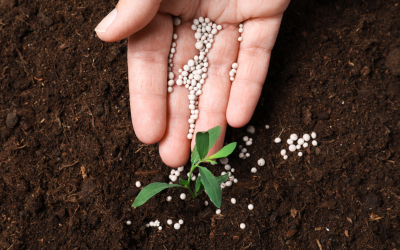
- Organic fertilisers
- Soil enhancers
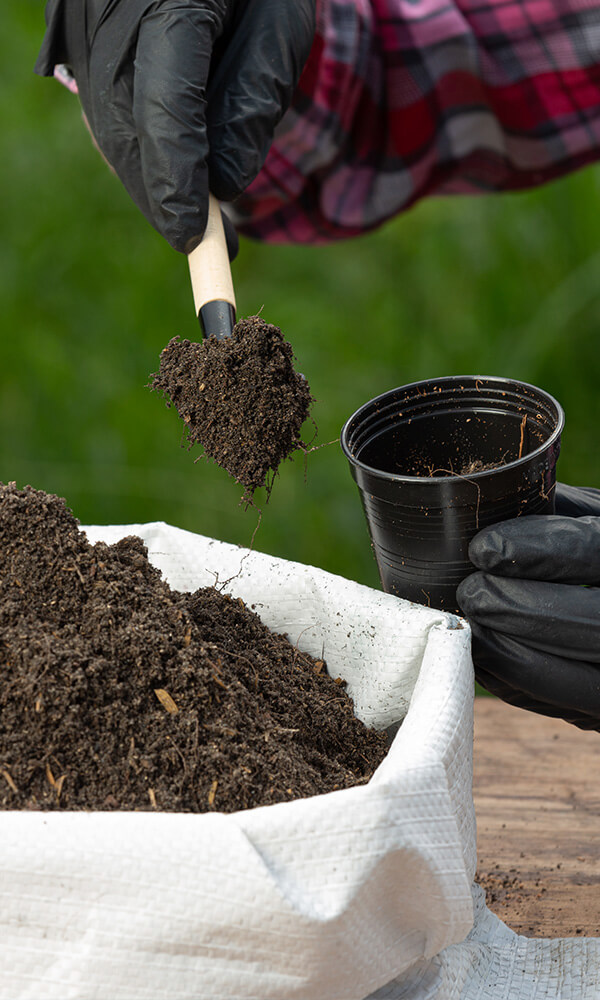
- Nutrient rich compost
- Renewable resources
- Agricultural inputs
This transformation changes the perception of waste entirely.
Instead of representing a cost or environmental burden, organic waste becomes a valuable resource capable of supporting other industries.
This is one of the core principles of the circular economy Singapore model.
The Role of Technology in Modern Organic Waste Management
Technology is playing a major role in helping Singapore achieve its sustainability objectives.
Innovative solutions now enable faster, cleaner, and more efficient processing of organic materials.
Modern waste management technologies help organisations:
- Reduce disposal costs
- Improve operational efficiency
- Minimise environmental impact
- Recover useful resources
- Support sustainability targets
Advanced biological and enzyme based processing systems have significantly improved how organic waste can be managed on a commercial scale.
These innovations are helping businesses transition from waste disposal to resource recovery.
Supporting Singapore’s Sustainability Goals
Singapore has established ambitious sustainability initiatives under its long term environmental roadmap.
A key objective is reducing waste sent to landfills while maximising resource recovery.
Effective organic waste management Singapore directly supports these goals by:
- Diverting waste from disposal streams
- Reducing dependence on landfill capacity
- Encouraging responsible resource use
- Supporting green technology adoption
- Promoting sustainable business practices
As sustainability regulations and expectations continue to evolve, organisations are increasingly recognising the importance of adopting responsible waste management solutions.
How Businesses Benefit from Organic Waste Management
While environmental benefits are often highlighted, businesses can also achieve significant operational advantages.
Improved Sustainability Performance
Consumers, investors, and stakeholders increasingly expect companies to demonstrate environmental responsibility.
Effective organic waste management contributes to stronger sustainability credentials.
Enhanced ESG Performance
Environmental, Social, and Governance (ESG) reporting has become increasingly important across many industries.
Reducing waste and implementing sustainable resource recovery practices can positively contribute to ESG objectives.
Cost Optimisation
Efficient waste processing can help reduce disposal related costs and improve overall resource management.
Stronger Brand Reputation
Businesses that actively support sustainability initiatives often strengthen customer trust and stakeholder confidence.
Industries Driving Organic Waste Innovation
Several industries are leading the adoption of organic waste management Singapore solutions.
Hospitality Industry
Hotels and restaurants generate significant volumes of food waste.
Many are now implementing sustainable waste management systems to reduce environmental impact.
Food Manufacturing
Food production facilities often produce organic by products that can be recovered and processed into useful resources.
Commercial Facilities
Business parks, institutions, and commercial buildings increasingly recognise the importance of responsible waste management.
Agriculture and Landscaping
Recovered organic resources can support agricultural and landscaping applications through nutrient rich fertiliser products.
Circular Economy Benefits for Singapore
The transition toward a circular economy Singapore offers long term benefits for both businesses and society.
These include:
Reduced Waste Generation
More materials remain within productive use cycles rather than becoming waste.
Improved Resource Efficiency
Valuable nutrients and organic materials are recovered instead of discarded.
Greater Environmental Resilience
Sustainable waste management reduces environmental pressures while supporting long term ecological health.
Innovation and Economic Opportunities
The circular economy creates opportunities for green technology companies, sustainability focused businesses, and environmental innovation.
The Future of Organic Waste Management in Singapore
As sustainability becomes increasingly important, organic waste management is expected to play a larger role in Singapore’s environmental strategy.
Future developments are likely to include:
- Increased adoption of waste to resource technologies
- Greater use of biotechnology in waste processing
- Enhanced resource recovery systems
- Stronger integration of circular economy principles
- Increased corporate sustainability initiatives
Businesses that embrace these changes early will be better positioned to meet evolving environmental expectations and regulatory requirements.
The Importance of Choosing the Right Waste Management Partner
Successfully implementing organic waste solutions requires more than simply installing equipment.
Businesses need partners that understand:
- Waste processing technologies
- Resource recovery opportunities
- Sustainability objectives
- Operational efficiency
- Long term environmental outcomes
The right partner can help organisations transform waste challenges into sustainability opportunities.
How Biomax Green Supports Sustainable Waste Solutions
At Biomax Green, innovation and sustainability go hand in hand.
By leveraging advanced biotechnology and organic waste processing solutions, Biomax Green helps businesses convert organic waste into valuable resources while supporting broader environmental goals.
Through efficient waste to resource systems, organisations can reduce waste, improve sustainability performance, and contribute to the development of a stronger circular economy Singapore.
The focus is not only on waste management but on creating meaningful environmental value through resource recovery and sustainable innovation.
Final Thoughts
Organic waste management is no longer simply about disposal. It has become a critical component of Singapore’s sustainability journey and an essential pillar of the circular economy.
As businesses and industries continue seeking smarter ways to reduce environmental impact, effective organic waste management Singapore solutions offer a practical path forward. By transforming organic waste into useful resources, organisations can contribute to a more sustainable future while unlocking operational and environmental benefits.
In a resource conscious world, the future belongs to businesses that see waste not as an end point, but as the beginning of a new cycle of value.