Food waste is one of the most significant environmental challenges facing modern cities. As populations grow and urbanisation continues, the amount of food waste generated by households, restaurants, hotels, supermarkets, and food manufacturers increases every year. In land scarce countries like Singapore, managing this waste efficiently has become both an environmental necessity and a strategic priority.
Today, innovative food waste recycling Singapore solutions are transforming how organic waste is managed. Instead of viewing food waste as a disposal problem, businesses and governments are increasingly recognising it as a valuable resource that can be recovered, recycled, and reused. Through advanced recycling technologies, food waste can now be converted into useful products such as organic fertilisers, soil conditioners, and renewable resources.
As Singapore advances towards its sustainability goals, food waste recycling technology is expected to play an even greater role in supporting a cleaner, greener, and more resource efficient future.
Understanding Singapore’s Food Waste Challenge
Food waste is generated across multiple sectors every day.
Major contributors include:
- Restaurants and cafes
- Hotels and resorts
- Food courts and hawker centres
- Supermarkets
- Food processing facilities
- Corporate cafeterias
- Educational institutions
- Households
Much of this waste consists of organic materials that still contain valuable nutrients and biological resources.
Traditionally, large amounts of food waste have been incinerated or sent for disposal. While these methods address immediate waste management needs, they do not maximise the potential value of organic materials.
This is why food waste recycling Singapore initiatives are becoming increasingly important.
Why Food Waste Recycling Matters
Food waste recycling offers significant environmental and economic benefits.
Reducing Landfill Dependency
Singapore has limited land resources and must manage waste efficiently.
Recycling food waste reduces the volume of material requiring disposal and helps extend the lifespan of existing waste management infrastructure.
Supporting Sustainability Goals
Recycling organic waste aligns with Singapore’s broader environmental objectives, including waste reduction and resource recovery.
Recovering Valuable Resources
Food waste contains nutrients that can be recovered and transformed into useful products.
Rather than being discarded, these materials can contribute to sustainable agriculture and environmental applications.
Lowering Environmental Impact
Effective recycling helps reduce greenhouse gas emissions associated with waste decomposition and disposal.
How Food Waste Recycling Technology Has Evolved
Food waste management has changed dramatically over the past decade.
Traditional methods focused primarily on collection and disposal.
Modern recycling systems focus on:
- Resource recovery
- Nutrient extraction
- Organic fertiliser production
- Sustainable waste conversion
- Circular economy integration
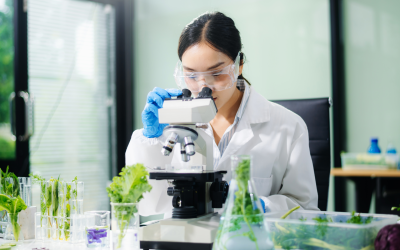
Advances in biotechnology, enzyme processing, and organic waste treatment systems have made recycling significantly more efficient and commercially viable.
These innovations are helping businesses turn waste into value.
Advanced Organic Waste Processing Technologies
The future of food waste recycling Singapore is being shaped by innovative technologies that improve efficiency while supporting sustainability.
Biological Processing Systems
Modern biological systems use naturally occurring microorganisms to break down organic materials efficiently.
Benefits include:
- Faster waste decomposition
- Reduced environmental impact
- Improved resource recovery
- Sustainable processing methods
Biological treatment remains one of the most effective approaches for organic waste management.
Enzyme Based Waste Processing
Enzyme technology is increasingly being adopted in waste recycling systems.
Specialised enzymes help accelerate the breakdown of organic materials while improving processing efficiency.
Advantages include:
- Faster treatment cycles
- Reduced processing requirements
- Enhanced nutrient recovery
- Environmentally friendly operations
This technology continues to gain attention across commercial waste management applications.
Rapid Thermophilic Digestion Technology
One of the most innovative developments in food waste recycling involves rapid thermophilic digestion.
This process uses heat tolerant microorganisms to accelerate the breakdown of organic waste.
Benefits include:
- High processing efficiency
- Faster conversion rates
- Reduced operational footprint
- Effective organic resource recovery
Such technologies are helping Singapore improve its organic waste processing capabilities while supporting sustainability objectives.
Food Waste to Fertiliser: A Sustainable Solution
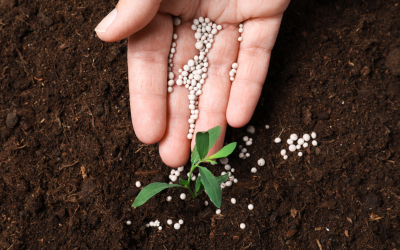
One of the most valuable outcomes of food waste recycling is the production of organic fertiliser.
Food waste contains nutrients that plants require for healthy growth.
Through advanced recycling technologies, these nutrients can be recovered and transformed into:
- Organic fertilisers
- Soil enhancers
- Agricultural inputs
- Landscaping products
This approach supports the principles of a circular economy by returning valuable resources back into productive use.
Instead of being discarded, food waste becomes part of a sustainable resource cycle.
The Circular Economy Connection
The concept of a circular economy is becoming increasingly important in Singapore’s sustainability strategy.
Unlike traditional linear systems where products are used and discarded, circular economies focus on keeping resources in use for as long as possible.
Food waste recycling Singapore plays a critical role in this model by:
- Recovering nutrients
- Reducing waste generation
- Supporting resource efficiency
- Promoting sustainable production systems
- Encouraging environmental innovation
As circular economy practices expand, food waste recycling will continue to become more important.
Industries Leading Food Waste Recycling Adoption
Several industries are actively investing in food waste recycling technologies.
Hospitality Industry
Hotels and restaurants generate substantial volumes of organic waste.
Many are implementing recycling solutions to improve sustainability performance and reduce environmental impact.
Food Manufacturing
Food processing facilities often produce significant quantities of organic by products.
Recycling technologies allow these materials to be converted into valuable resources rather than waste.
Commercial Buildings
Large commercial developments increasingly incorporate sustainability initiatives, including food waste recycling programs.
Educational Institutions
Universities and schools are adopting recycling technologies as part of broader sustainability commitments.
ESG and Sustainability Benefits
Environmental, Social, and Governance (ESG) initiatives have become increasingly important for businesses.
Food waste recycling contributes to ESG goals by helping organisations:
- Reduce environmental impact
- Improve sustainability reporting
- Demonstrate responsible waste management
- Support corporate sustainability objectives
- Enhance stakeholder confidence
As ESG expectations continue to grow, food waste recycling is becoming an important component of corporate sustainability strategies.
Challenges and Opportunities Ahead
While significant progress has been made, opportunities remain for further innovation.
Key focus areas include:
Greater Technology Adoption
More organisations are expected to invest in advanced recycling systems.
Improved Waste Segregation
Effective recycling begins with proper waste collection and separation.
Enhanced Resource Recovery
Future technologies may further improve nutrient extraction and waste conversion efficiency.
Increased Sustainability Awareness
Businesses and consumers are becoming more conscious of environmental responsibility, driving demand for innovative solutions.
The Future of Food Waste Recycling in Singapore
The future looks promising for food waste recycling Singapore.
As technology advances, recycling systems are becoming:
- More efficient
- More scalable
- More environmentally sustainable
- More commercially attractive
Future developments may include:
- Smart waste monitoring systems
- Advanced biotechnology applications
- Automated recycling facilities
- Improved nutrient recovery technologies
- Greater integration with circular economy initiatives
These innovations will help Singapore continue strengthening its position as a leader in sustainable urban development.
How Biomax Green Supports Sustainable Food Waste Recycling
At Biomax Green, sustainability and innovation are at the core of every solution.
Through advanced biotechnology and organic waste processing technologies, Biomax Green helps organisations transform food waste into valuable resources while supporting environmental sustainability goals.
By converting organic waste into useful products such as organic fertilisers, businesses can reduce waste, improve resource efficiency, and contribute to a more sustainable future.
The focus is not only on waste reduction but on creating long term environmental value through responsible resource recovery.
Final Thoughts
Food waste is no longer simply a disposal challenge, it is a resource opportunity.
With the continued advancement of food waste recycling Singapore technologies, businesses now have access to sustainable solutions that support both environmental responsibility and operational efficiency.
As Singapore moves towards a more circular and resource efficient economy, food waste recycling will remain a key driver of sustainable growth.
The organisations that embrace these technologies today will be better positioned to meet tomorrow’s environmental expectations while contributing to a cleaner, greener future for all.