As sustainability becomes a defining strategic priority for businesses and governments alike, the way organic waste is processed and managed is undergoing a significant and accelerating transformation. Traditional disposal methods are increasingly being questioned for their environmental impact, inefficiency, and inability to recover valuable resources from waste streams. In response, advanced waste processing technologies are emerging as practical solutions—and among the most promising is thermophilic digestion technology.
For businesses in Singapore, where severe land scarcity, operational waste management efficiency, and measurable environmental responsibility are all pressing and interconnected concerns, adopting smarter and more effective waste processing systems is no longer optional. It is becoming a clear commercial and operational necessity.
Among the modern technologies leading this change, rapid thermophilic digestion technology stands out as a fast, scalable, and highly effective solution for converting organic waste into reusable resources.
Understanding the Scale of Singapore’s Organic Waste Processing Challenge
Organic and biodegradable waste is generated in very substantial and ongoing quantities across multiple commercial and industrial sectors throughout Singapore.
Common daily food waste sources in commercial operations include:
- commercial kitchens
- hotels
- restaurants
- food processing plants
- industrial manufacturing
- agricultural operations
- supermarkets
- institutional catering
This commercially generated waste commonly includes biodegradable materials such as food scraps, plant material, vegetable residues, food processing residues, and organic industrial by-products from manufacturing operations.
Traditionally, commercial organic waste handling has focused almost exclusively on collection and disposal. However, this conventional linear approach creates several significant and avoidable challenges for Singapore businesses:
- high transportation costs
- recurring waste management expenses
- landfill dependency
- environmental emissions
- lost resource recovery opportunities
In dense urban commercial markets like Singapore, these organic waste management inefficiencies become even more operationally and financially significant.
Singapore businesses increasingly and urgently need a faster, cleaner, more cost-effective, and genuinely sustainable alternative to conventional organic waste disposal.
What Is Thermophilic Digestion Advantages for Singapore Businesses Technology and How Does It Work?
Thermophilic digestion is an advanced biological waste processing method that uses naturally occurring heat-loving microorganisms, known as thermophiles, to rapidly break down organic waste at carefully controlled elevated temperatures.
The term “thermophilic” refers to microorganisms that thrive in high-temperature environments, typically between 45°C and 70°C.
Unlike conventional ambient-temperature decomposition, which relies on significantly slower natural biological activity, thermophilic digestion dramatically accelerates the organic waste breakdown process under precisely controlled and optimised conditions.
This elevated temperature processing environment creates a substantially more efficient and commercially practical organic waste conversion system for Singapore’s business operators.
The thermophilic digestion process transforms organic waste into stabilised, pathogen-reduced output that can typically be reused commercially as:
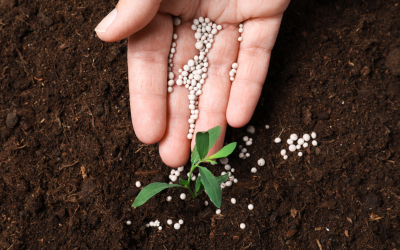
- fertiliser
- nutrient-rich biomass
- organic soil enhancers
- recoverable organic resources
Thermophilic digestion represents a compelling and practically proven example of achieving meaningful sustainability outcomes through advanced and commercially accessible biotechnology.
How the Thermophilic Digestion Advantages for Singapore Businesses Process Works Step by Step
The thermophilic digestion process involves several carefully designed and controlled operational stages that together ensure efficient and consistent organic waste conversion.
1. Waste Input and Preparation
Organic waste is first systematically collected and prepared for thermophilic digestion processing.
Preparation steps may include:
- sorting
- shredding
- moisture balancing
- removal of contaminants
Thorough and proper organic waste preparation significantly improves overall thermophilic digestion efficiency and output quality.
2. Biological Activation
Thermophilic microorganisms are introduced into or activated within the digestion system, initiating the rapid biological breakdown process.
These specialised thermophilic microbes rapidly and efficiently break down the full range of biodegradable organic material in the waste input.
3. High-Temperature Digestion
The organic waste is processed and digested under precisely maintained elevated temperatures that optimise thermophilic microbial activity.
These elevated and controlled temperatures speed up thermophilic microbial activity dramatically compared with conventional composting or ambient-temperature processing.
Compared with traditional composting or passive decomposition approaches, thermophilic digestion achieves decomposition in a fraction of the time.
4. Stabilisation and Output Recovery
The processed organic material is then stabilised, matured, and converted into commercially usable output ready for application.
Depending on the specific system design and configuration, this valuable output may include organic fertiliser, nutrient-rich soil amendments, or reusable organic biomass.
Why Processing Speed Comparison Is Critical in Modern Commercial Organic Waste Management
Traditional organic waste decomposition through passive or low-technology methods is almost always far too slow to meet the practical requirements of commercial business operations.
For Singapore businesses handling significant daily organic waste volumes, slow and inefficient processing creates serious operational challenges including:
- waste accumulation
- odour issues
- storage space demands
- increased collection frequency
Rapid thermophilic digestion technology directly and effectively solves this critical operational speed problem.
By dramatically accelerating the biological breakdown of organic waste, thermophilic digestion gives Singapore businesses:
- faster waste reduction
- quicker turnaround
- better space efficiency
- smoother operations
This operational speed advantage is especially important and commercially valuable in dense urban environments like Singapore where space, time, and operational hygiene are all critical.
Key Commercial Advantages of Thermophilic Digestion Advantages for Singapore Businesses Technology for Singapore Businesses
Faster Processing Time
The most immediately compelling advantage of thermophilic digestion technology for Singapore businesses is processing speed.
Conventional composting and passive decomposition methods can require weeks or even months to process organic waste to a stable and usable state.
Thermophilic digestion significantly and dramatically reduces this processing timeframe through precisely controlled and optimised accelerated microbial activity at elevated temperatures.
For Singapore businesses generating daily organic waste volumes, this speed improvement dramatically improves operational efficiency and waste management workflow.
Better Pathogen Control
The elevated and sustained temperatures used throughout the thermophilic digestion process are highly effective at destroying a wide range of harmful pathogenic microorganisms.
This pathogen destruction makes the processed organic outputs significantly safer, cleaner, and more suitable for commercial agricultural and horticultural application.
This enhanced pathogen control is particularly important and commercially relevant when processing food waste and commercial biodegradable materials that may contain harmful biological contaminants.
Reduced Odour
Organic waste commonly creates unpleasant and operationally problematic odours during slow or uncontrolled decomposition.
Thermophilic digestion systems significantly reduce these odour challenges through faster processing cycles and more carefully controlled biological activity that limits the production of odour-causing compounds.
This improved odour control makes thermophilic systems considerably more suitable and practical for deployment in commercial premises and dense urban environments throughout Singapore.
Lower Waste Volume
The thermophilic digestion process reduces the total physical volume of organic waste significantly through biological conversion and moisture reduction.
Substantially reduced organic waste volume means:
- easier handling
- lower disposal dependency
- reduced transportation needs
Improved Sustainability
By converting organic waste into genuinely usable fertiliser and biomass outputs, thermophilic digestion directly and measurably supports circular sustainability goals and resource recovery objectives.
Organic waste becomes a recoverable commercial resource rather than a recurring disposal problem and operational expense.
Thermophilic Digestion Advantages for Singapore Businesses Technology vs Traditional Composting Limitations for Commercial Operations: A Commercial Comparison
Singapore businesses evaluating organic waste management solutions often compare modern thermophilic digestion systems with more familiar conventional composting approaches.
The operational and commercial differences between these two approaches are substantial and clearly favour thermophilic digestion for most business applications.
Traditional Composting Limitations for Commercial Operations
Key challenges of traditional composting for Singapore commercial businesses include:
- slower decomposition
- inconsistent results
- large space requirements
- weather dependency
- odour management issues
- lower scalability
Thermophilic Digestion Advantages for Singapore Businesses
Key advantages of thermophilic digestion technology for Singapore businesses include:
- rapid waste processing
- controlled biological environment
- consistent performance
- commercial scalability
- better pathogen reduction
- improved operational efficiency
For businesses in Singapore, where operational time and physical space are both critically constrained and commercially valuable, thermophilic digestion systems offer a clear and compelling advantage over traditional composting.
The Role of Enzyme Waste Processing Technology in Enhancing Thermophilic Digestion
Thermophilic digestion becomes even more effective when paired with enzyme waste processing technology.
Enzymes are highly specific biological catalysts that dramatically speed up targeted chemical and biological reactions in organic material.
In commercial organic waste processing, targeted enzymes help efficiently break down complex organic materials including:
- fats
- proteins
- carbohydrates
- cellulose
This targeted enzymatic action directly and measurably improves overall organic waste digestion efficiency and throughput.
When intelligently combined with thermophilic biological digestion conditions, enzyme technology helps create faster, cleaner, more consistent, and more commercially predictable organic waste processing outcomes.
This powerful hybrid biotech approach combining thermophilic digestion with enzyme processing represents the future of genuinely smart and commercially effective organic waste management for Singapore businesses.
Why Singapore Is an Ideal Commercial Market for Thermophilic Digestion Technology
Singapore’s unique environment creates strong demand for advanced waste solutions.
Limited Land Availability
Large-scale traditional organic waste handling through external disposal is not financially or environmentally sustainable as a long-term approach for Singapore businesses.
Compact, efficient, and onsite-deployable thermophilic digestion systems are considerably more practical and commercially viable for Singapore’s space-constrained operational environments.
High Commercial Waste Generation
Singapore’s food service, hospitality, manufacturing, industrial, and commercial sectors collectively generate very substantial biodegradable organic waste volumes requiring efficient and responsible management.
In these high-volume, time-sensitive commercial environments, rapid and reliable organic waste processing becomes operationally essential.
Sustainability-Driven Business Environment
Singapore businesses are increasingly expected by regulators, clients, investors, and public stakeholders to proactively adopt genuinely greener operational practices.
Technology Adoption Readiness
Singapore has a consistently strong and demonstrated commercial acceptance of advanced infrastructure solutions and green innovation technologies.
This technology-receptive and innovation-friendly business culture makes biotech organic waste processing, including thermophilic digestion, highly commercially relevant and practically deployable.
Industry Applications of Thermophilic Digestion Technology in Singapore
Thermophilic digestion technology offers practical commercial applications and benefits across multiple sectors in Singapore’s economy.
Hotels
Hotel buffet waste, kitchen preparation waste, and event catering food leftovers can all be processed rapidly and efficiently through thermophilic digestion systems.
Restaurants
Daily restaurant food waste volumes become operationally manageable and commercially recoverable without relying entirely and expensively on external disposal services.
Food Manufacturing
Organic production waste from food manufacturing processes can be systematically converted into commercially usable fertiliser or biomass output.
Commercial Kitchens
High-volume institutional food preparation in commercial kitchens generates consistent and predictable biodegradable waste streams that are well-suited to thermophilic digestion processing.
Industrial Processing
Biodegradable industrial processing by-products can be processed internally through thermophilic digestion for immediate cost savings and measurable sustainability gains.
Commercial Business Benefits of Sustainable Fertiliser Manufacturing Beyond Environmental Sustainability
Adopting thermophilic digestion technology is not solely about environmental responsibility or regulatory compliance for Singapore businesses.
There are clear and compelling commercial advantages that directly improve operational performance and financial outcomes.
Cost Reduction
Significantly lower organic waste transport frequency and external disposal expenses directly and measurably improve operational cost efficiency.
ESG Performance
Documented organic waste reduction through thermophilic digestion strengthens environmental reporting metrics and ESG performance scores.
Brand Positioning
Businesses demonstrably committed to sustainable organic waste management attract stronger client confidence and increasingly prefer partnerships with similarly responsible supply chain partners.
Operational Control Comparison
Businesses gain direct visibility, measurability, and control over their organic waste handling processes instead of outsourcing the entire management responsibility to external contractors.
Future Compliance Readiness
Environmental regulations and sustainability requirements governing commercial waste management in Singapore continue evolving and tightening.
Early adoption of thermophilic digestion technology proactively positions Singapore businesses comfortably ahead of anticipated future compliance expectations and regulatory requirements.
The Future of Organic Waste Processing Technology in Singapore
Organic waste management in Singapore is decisively moving away from simple and wasteful disposal toward intelligent, technology-enabled resource recovery.
The future of organic waste processing will increasingly focus on:
- decentralised waste treatment
- biotech integration
- automated waste conversion
- rapid processing systems
- circular resource models
Thermophilic digestion technology fits perfectly and practically into this emerging organic waste management future.
It directly and measurably solves current operational inefficiencies while delivering genuine and quantifiable sustainability value for Singapore businesses.
As biotech organic waste processing systems continue technically improving and becoming more cost-accessible, commercial adoption across Singapore will only continue to accelerate.
Final Thoughts
Thermophilic digestion technology represents a major and commercially proven advancement in organic waste processing that is directly applicable to Singapore’s business environment.
Its ability to process organic waste rapidly, reduce environmental impact, improve operational hygiene, and systematically support resource recovery makes thermophilic digestion one of the most practical and commercially compelling solutions for Singapore’s modern businesses.
For organisations in Singapore, where sustainability performance, operational efficiency, and space optimisation all matter deeply and simultaneously, rapid thermophilic digestion technology offers a clear, proven, and commercially compelling path forward.
When intelligently combined with complementary enzyme waste processing technology, it creates a smarter, cleaner, faster, and significantly more commercially viable integrated approach to organic waste management.
The future of organic waste processing in Singapore is no longer about simple and wasteful disposal.
It is about intelligent, commercially beneficial, and genuinely sustainable transformation of organic waste into valuable resources.