In a highly urbanised country like Singapore, managing organic waste efficiently is not just an environmental responsibility — it is a necessity. With limited land resources and increasing waste generation, traditional disposal methods such as landfills and incineration are no longer sustainable on their own. This is where modern biotechnology steps in, offering a smarter solution: converting organic waste into high-quality fertiliser.
This process not only reduces environmental impact but also supports a circular economy, where waste is transformed into a valuable resource.
Understanding Organic Waste in Singapore
Organic waste refers to biodegradable materials that originate from plant or animal sources. In Singapore, the most common types include food waste from households and restaurants, agricultural by-products, and organic industrial waste.
According to sustainability reports, food waste alone constitutes a significant portion of total waste generated in Singapore. When this waste is sent to incineration plants or landfills, it contributes to carbon emissions and inefficient resource utilisation. Converting this waste into fertiliser presents an opportunity to address both waste management and agricultural sustainability.
The Science Behind Waste-to-Fertiliser Conversion
The process of converting organic waste into fertiliser involves a combination of biological, chemical, and mechanical steps. Unlike traditional composting, which can take months, modern systems use advanced technologies to accelerate decomposition and improve output quality.
1. Waste Collection and Segregation
The first and most crucial step is proper waste segregation. Organic waste must be separated from non-biodegradable materials such as plastics, metals, and glass. Contamination at this stage can affect the efficiency of the entire process.
In commercial setups, automated systems are often used to ensure consistent and accurate segregation.
2. Pre-Treatment and Size Reduction
Once collected, the waste undergoes pre-treatment, where it is shredded or crushed into smaller particles. This step increases the surface area, making it easier for microorganisms to break down the material.
Moisture levels and composition may also be adjusted at this stage to create optimal conditions for decomposition.
3. Biological Decomposition
This is the core stage of the process. Using advanced technologies such as thermophilic digestion and enzyme-based processing, microorganisms rapidly break down organic matter.
Thermophilic digestion operates at higher temperatures, typically between 50°C and 70°C. These elevated temperatures not only speed up decomposition but also eliminate harmful pathogens and bacteria.
Enzyme-based systems further enhance efficiency by targeting specific organic compounds and accelerating their breakdown.
4. Stabilisation and Maturation
After decomposition, the material undergoes stabilisation to ensure it is safe and suitable for use as fertiliser. This stage allows the organic matter to mature, ensuring nutrients are evenly distributed and readily available for plant absorption.
5. Final Processing and Packaging
The final product is refined, dried, and sometimes enriched with additional nutrients to enhance its effectiveness. It is then packaged as organic fertiliser, ready for agricultural, landscaping, or commercial use.
Role of Advanced Technology
Singapore is at the forefront of adopting innovative waste management solutions. Modern systems integrate:
- Automated waste digesters
- Controlled temperature environments
- Smart monitoring systems
- Biotechnology-driven decomposition
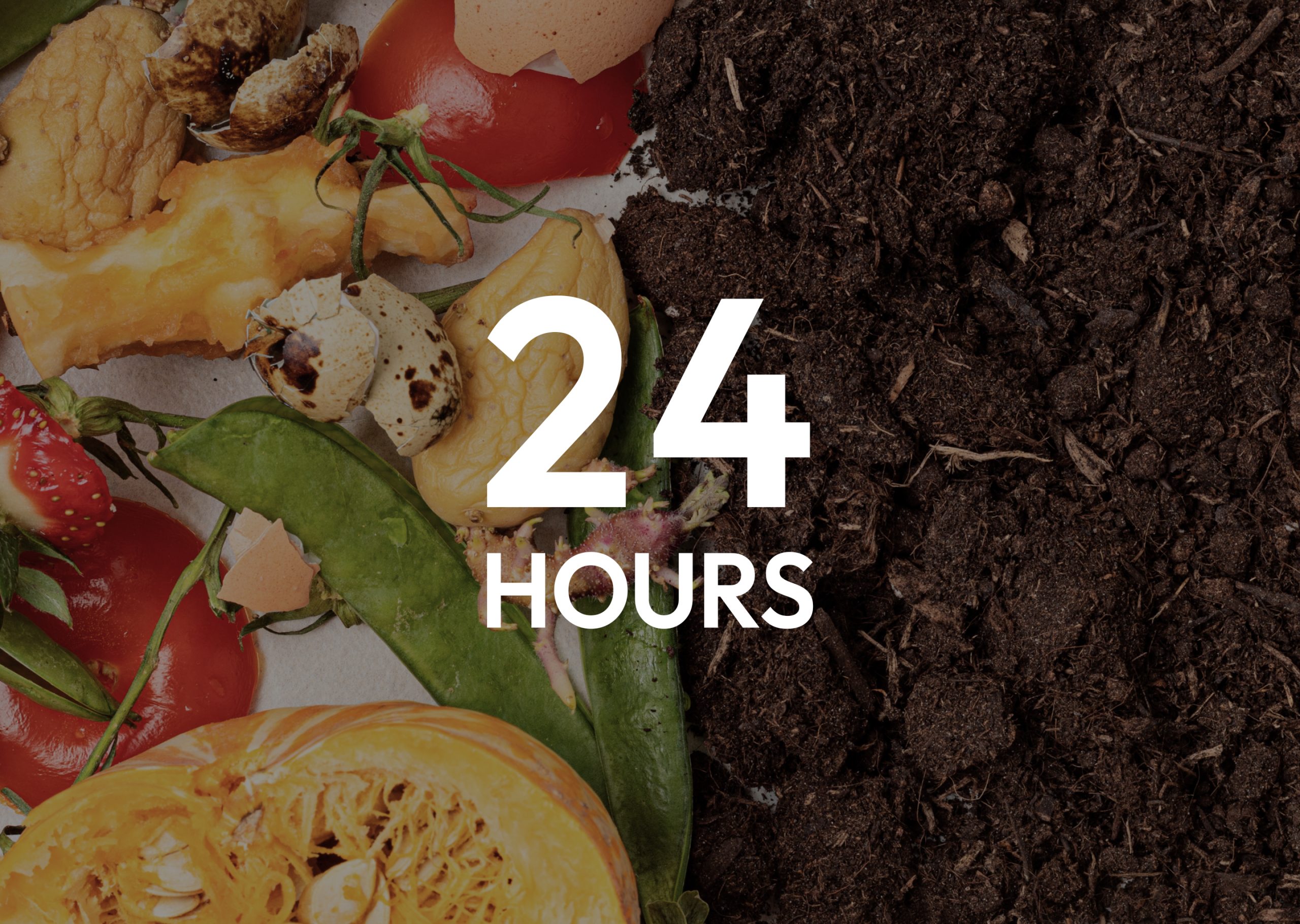
These technologies significantly reduce processing time from months to just a few days, making large-scale implementation feasible.
Environmental Benefits
Converting organic waste into fertiliser offers several environmental advantages:
Reduction in Landfill Waste
By diverting organic waste from landfills, the overall waste burden is reduced, extending the lifespan of waste management infrastructure.
Lower Greenhouse Gas Emissions
Organic waste in landfills produces methane, a potent greenhouse gas. Controlled decomposition reduces these emissions significantly.
Resource Recovery
Instead of being discarded, waste is transformed into a useful product, supporting sustainable resource utilisation.
Economic and Business Benefits
For businesses in Singapore, adopting waste-to-fertiliser systems can lead to:
- Reduced waste disposal costs
- Compliance with environmental regulations
- Improved sustainability credentials
- Potential revenue from fertiliser production
This is especially relevant for industries such as food processing, hospitality, and agriculture.
Supporting Singapore’s Sustainability Goals
Singapore has set ambitious targets under its sustainability initiatives, including reducing waste sent to landfills and increasing recycling rates. Organic waste conversion plays a key role in achieving these goals.
Additionally, with the rise of urban farming and local food production, there is growing demand for sustainable fertilisers. Producing fertiliser locally from waste reduces dependency on imports and strengthens food security.
Challenges and Considerations
While the benefits are clear, there are challenges to consider:
- Initial investment in technology
- Need for proper waste segregation
- Operational expertise
However, these challenges are increasingly being addressed through advanced systems and government support.
Conclusion
The conversion of organic waste into fertiliser represents a powerful shift in how we approach waste management. Instead of viewing waste as a problem, it becomes an opportunity — one that benefits the environment, the economy, and society as a whole.
For Singapore, this approach is not just innovative; it is essential for building a sustainable and resilient future. Businesses and industries that adopt these solutions today will be better positioned to thrive in a world that prioritises sustainability and resource efficiency.