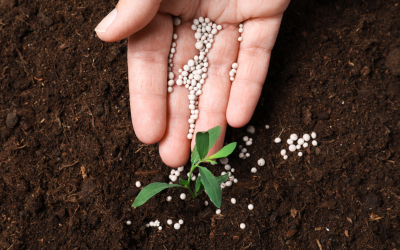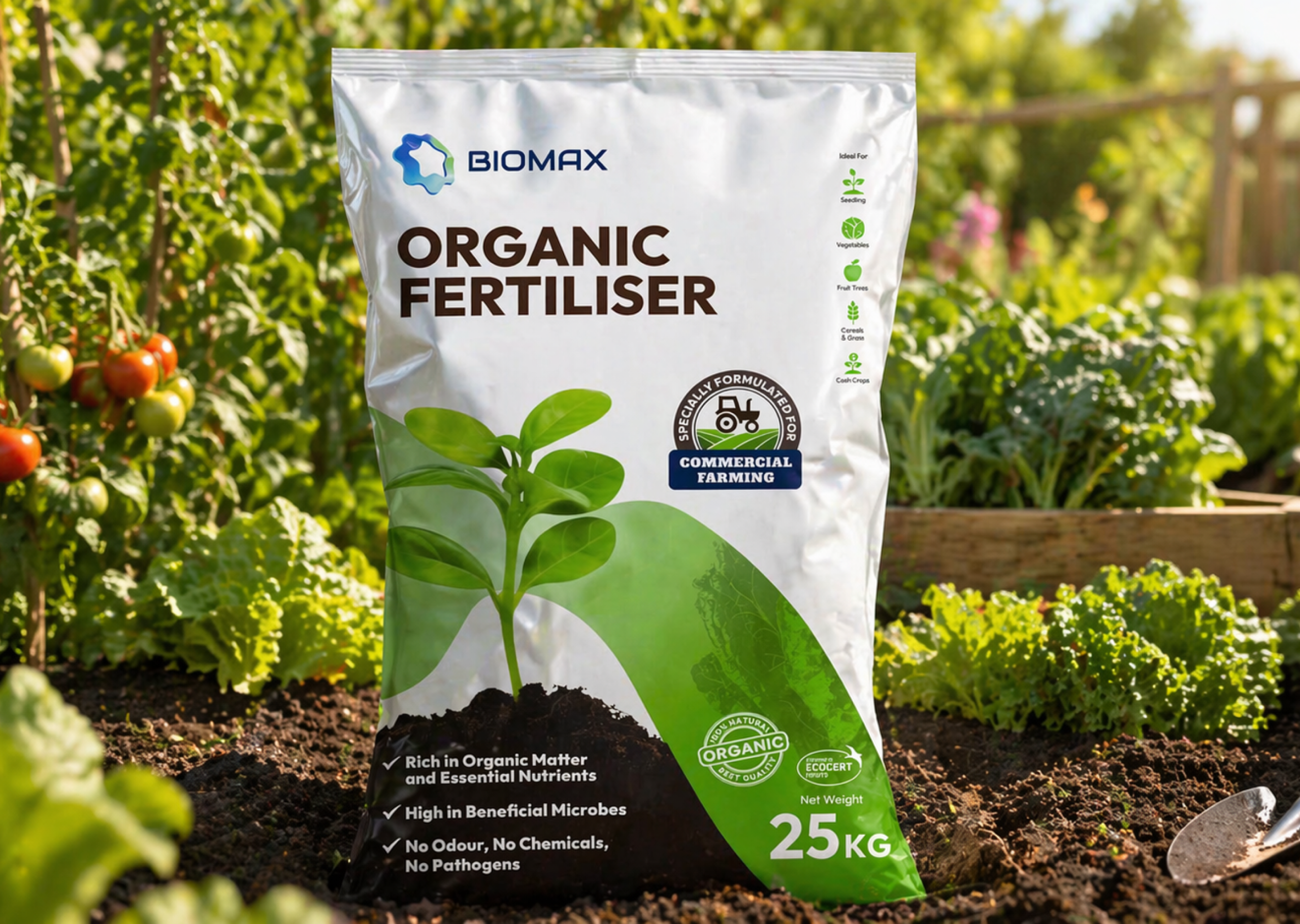
As sustainability becomes a key focus across industries, agriculture is undergoing a major transformation. One of the most significant changes is the shift from chemical fertilisers to organic alternatives. In a country like Singapore, where land is limited and environmental considerations are critical, organic fertilisers are playing an increasingly important role.
They not only improve agricultural productivity but also support long-term environmental sustainability.
What is Organic Fertiliser?
Organic fertilisers are derived from natural sources such as compost, animal manure, plant residues, and processed organic waste. Unlike synthetic fertilisers, they release nutrients gradually and improve soil structure over time.
Modern organic fertilisers, especially those produced through advanced biotechnology, are more refined and efficient than traditional compost, making them suitable for commercial use.
Why Organic Fertiliser is Important in Singapore
Singapore’s agricultural landscape is unique. With limited land and a strong push toward urban farming and vertical agriculture, maintaining soil health is essential.
Organic fertilisers contribute to:
- Sustainable farming practices
- Improved soil quality
- Reduced environmental impact
They also align with Singapore’s broader sustainability and food security goals.
Key Benefits of Organic Fertiliser
1. Improves Soil Structure and Health
One of the most important benefits of organic fertiliser is its ability to enhance soil quality. It increases organic matter in the soil, which improves:
- Water retention
- Soil aeration
- Root development
Healthy soil supports stronger and more resilient crops.
2. Promotes Sustainable Agriculture
Unlike chemical fertilisers, which can degrade soil over time, organic fertilisers support long-term soil fertility. They encourage natural biological processes and maintain ecological balance.
This makes them ideal for sustainable agriculture practices in Singapore.
3. Environmentally Friendly
Organic fertilisers significantly reduce environmental impact by:
- Minimising chemical runoff into water systems
- Reducing soil contamination
- Lowering greenhouse gas emissions
They are a safer and more sustainable alternative to synthetic products.
4. Supports Waste Recycling
Many organic fertilisers are produced from recycled organic waste. This creates a closed-loop system where waste is converted into a useful resource.
In Singapore, where waste management is a major concern, this approach helps reduce landfill dependency and supports circular economy initiatives.
5. Provides Slow and Steady Nutrient Release
Organic fertilisers release nutrients gradually, ensuring a consistent supply for plants. This reduces the risk of over-fertilisation and nutrient leaching, which is common with chemical fertilisers.
6. Enhances Microbial Activity
Healthy soil contains beneficial microorganisms that play a crucial role in plant growth. Organic fertilisers support microbial activity, improving nutrient availability and soil fertility.
7. Safer for Crops and Consumers
Organic fertilisers do not contain harmful chemicals, making them safer for both crops and consumers. This is particularly important for food production in urban environments.
Applications in Modern Agriculture
Organic fertilisers are widely used in:
- Urban farming systems
- Vertical agriculture
- Landscaping and horticulture
- Commercial farming
With advancements in technology, they are now more consistent in quality and easier to apply.
Economic Benefits
While organic fertilisers may have a slightly higher upfront cost, they offer long-term savings by:
- Reducing the need for repeated applications
- Improving soil productivity
- Lowering dependency on synthetic inputs
For businesses, this translates into better cost efficiency over time.
Challenges and Solutions
Some common challenges include:
- Slower initial results compared to chemical fertilisers
- Need for proper application techniques
However, modern formulations and improved processing technologies have addressed many of these issues, making organic fertilisers more effective and reliable.
Future of Organic Fertiliser in Singapore
With increasing awareness of sustainability and environmental responsibility, the demand for organic fertilisers is expected to grow. Government initiatives and technological advancements are further supporting this shift.
As Singapore continues to invest in urban agriculture and green technologies, organic fertilisers will play a central role in shaping the future of farming.
Conclusion
Organic fertilisers are more than just an alternative to chemical products — they are a key component of sustainable agriculture. By improving soil health, reducing environmental impact, and supporting waste recycling, they offer a holistic solution for modern farming challenges.
For Singapore, adopting organic fertilisers is not just beneficial; it is essential for building a resilient and sustainable agricultural system.