As cities become more densely populated and industrial activity continues to grow, waste management is emerging as one of the most critical challenges of our time. In Singapore, where land is limited and sustainability is a national priority, traditional waste disposal methods are no longer sufficient on their own. This has led to the adoption of advanced technologies such as thermophilic digestion, a highly efficient process for managing organic waste.
Understanding thermophilic digestion is essential for businesses, policymakers, and sustainability-focused organisations looking to improve waste management practices.
What is Thermophilic Digestion?
Thermophilic digestion is a biological process in which microorganisms break down organic waste at elevated temperatures, typically between 50°C and 70°C. The term “thermophilic” refers to heat-loving microbes that thrive in these high-temperature conditions.
Unlike traditional composting methods, which operate at lower temperatures and take weeks or months, thermophilic digestion significantly accelerates the decomposition process. This makes it ideal for large-scale and time-sensitive waste management applications.
How the Process Works
Thermophilic digestion involves a carefully controlled system designed to maximise efficiency and output quality. The process typically includes the following stages:
1. Waste Input and Preparation
Organic waste such as food scraps, agricultural residues, and industrial organic by-products is collected and prepared. Non-biodegradable materials are removed to ensure smooth processing.
2. Controlled Heating Environment
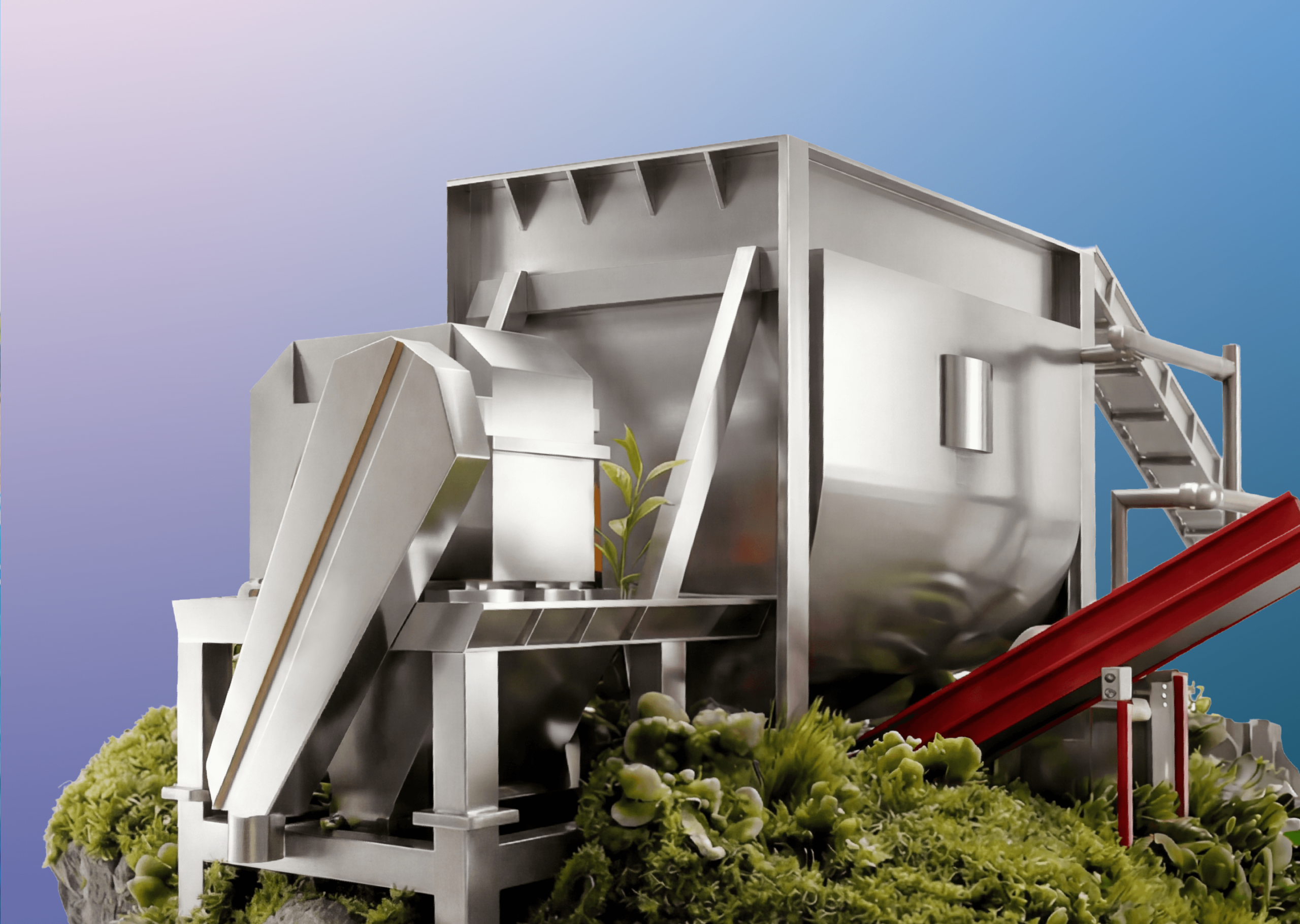
The waste is introduced into a digestion system where temperature, moisture, and oxygen levels are carefully controlled. Maintaining high temperatures is essential for activating thermophilic microorganisms.
3. Microbial Decomposition
Thermophilic microbes rapidly break down complex organic compounds into simpler substances. This stage is significantly faster than traditional composting due to the enhanced metabolic activity of these microbes.
4. Pathogen Elimination
One of the key advantages of high-temperature digestion is the elimination of harmful pathogens, bacteria, and weed seeds. This ensures that the final output is safe for agricultural use.
5. Stabilisation and Output
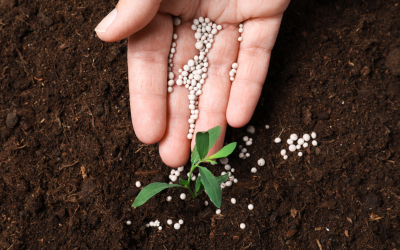
The decomposed material is stabilised and converted into nutrient-rich organic matter, which can be used as fertiliser or soil conditioner.
Key Advantages of Thermophilic Digestion
1. Rapid Processing
One of the biggest advantages of thermophilic digestion is speed. While traditional composting can take several months, thermophilic systems can process waste in a matter of days.
2. High Efficiency
The process is highly efficient in breaking down even complex organic materials, ensuring maximum waste reduction and resource recovery.
3. Improved Hygiene and Safety
The high temperatures eliminate pathogens, making the output safer for agricultural and commercial use.
4. Reduced Odour
Modern thermophilic systems are designed to control odours effectively, making them suitable for urban environments like Singapore.
5. Space Efficiency
Since the process is faster and more controlled, it requires less space compared to traditional composting methods — a critical advantage in land-scarce regions.
Why Thermophilic Digestion Matters for Singapore
Singapore faces unique challenges when it comes to waste management:
- Limited land availability
- High population density
- Increasing waste generation
Thermophilic digestion addresses these challenges by:
- Reducing the volume of organic waste
- Converting waste into useful products such as fertiliser
- Supporting the country’s zero-waste and sustainability goals
It also aligns with Singapore’s push toward adopting green technologies and building a circular economy.
Applications Across Industries
Thermophilic digestion is not limited to one sector. It is widely used in:
Food and Beverage Industry
Restaurants, hotels, and food processing units generate large amounts of organic waste. Thermophilic systems help manage this waste efficiently.
Agriculture
Farm waste can be processed and converted into fertiliser, reducing dependency on chemical inputs.
Industrial Operations
Manufacturing units dealing with organic by-products can use this technology to reduce waste disposal costs.
Municipal Waste Management
Cities can integrate thermophilic digestion into their waste management infrastructure to handle organic waste at scale.
Comparison with Traditional Composting
| Feature | Traditional Composting | Thermophilic Digestion |
| Processing Time | Weeks to Months | Days |
| Temperature | Low to Moderate | High |
| Pathogen Removal | Limited | Highly Effective |
| Space Requirement | High | Low |
| Efficiency | Moderate | High |
This comparison highlights why thermophilic digestion is becoming the preferred choice for modern waste management.
Economic and Environmental Impact
Adopting thermophilic digestion can lead to:
- Lower waste disposal costs
- Reduced environmental impact
- Improved sustainability credentials
- Potential revenue from fertiliser production
For businesses, this translates into both financial and reputational benefits.
Future Outlook
As sustainability becomes a global priority, technologies like thermophilic digestion will play an increasingly important role. Governments and industries are investing in such solutions to meet environmental targets and improve resource efficiency.
In Singapore, continued innovation and adoption of advanced waste management technologies will be key to achieving long-term sustainability goals.
Conclusion
Thermophilic digestion is more than just a waste treatment method — it is a transformative technology that redefines how we manage organic waste. By combining speed, efficiency, and environmental benefits, it offers a practical solution for modern cities and industries.
For Singapore, embracing thermophilic digestion is a strategic step toward a cleaner, more sustainable future.